During the 14th Five-year Plan period, BUA, committed to building "a domestically first-class and internationally renowned high-level applied university with urban agriculture and forestry characteristics", remained guided by the "Discipline Leadership Initiative", deepened reforms and tackled tough challenges, striving to take discipline building to a new level.
Upgraded Discipline Systems
BUA currently boasts 11 first-level disciplines, including bioengineering, plant protection, horticulture, crop science, animal husbandry, veterinary medicine, agricultural and forestry economics & management, business administration, forestry, food science and engineering, and intelligent science and technology. It offers seven professional degree programs (including the Master of Bioengineering and Pharmaceutical Science, Master of Veterinary Medicine, Master of International Business, Master of Landscape Architecture, Master of Forestry, Master of Social Work, and Master of Agriculture), covering 13 enrollment fields in total. During the 14th Five-Year Plan period, BUA developed a diversified and characteristic urban agricultural and forestry disciplinary system, where agricultural science serves as the core, and agriculture, engineering, management and interdisciplinary studies develop in a coordinated manner.
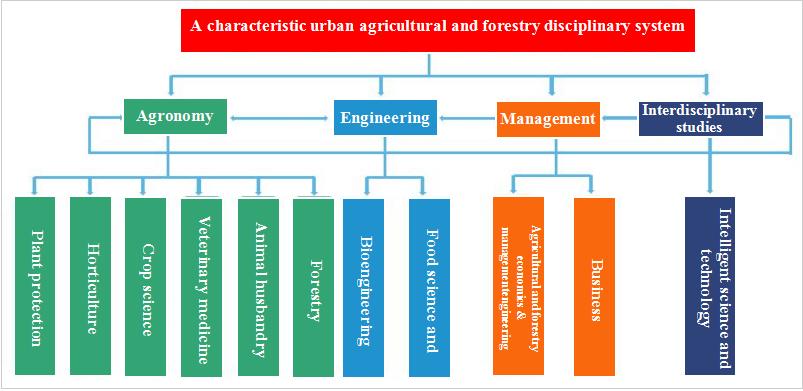
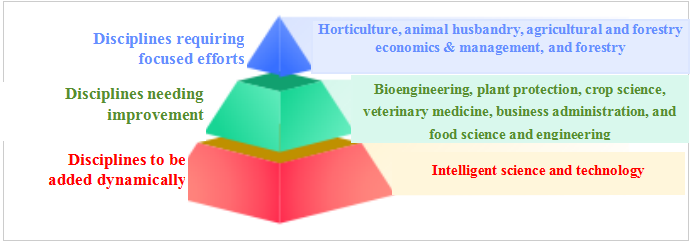
BUA classified disciplines into the disciplines requiring focused efforts, disciplines needing improvement, and disciplines to be added dynamically. For the disciplines requiring focused efforts, including horticulture, animal husbandry, agricultural and forestry economics & management, and forestry, BUA prioritized input of resources to deliver research outcomes. For the disciplines needing improvement, it aligned with the interdisciplinary trends of "new agricultural sciences" and "new engineering sciences", centering on bioengineering, plant protection, crop science, veterinary medicine, business administration, and food science and engineering, to strengthen their distinctive positioning and competitiveness. For disciplines to be added dynamically, such as intelligent science and technology, it monitored frontier areas such as AI, carbon peaking and carbon neutrality, and the modernization of rural governance, and established a mechanism featuring a demand-driven approach, dynamic evaluation, and rolling cultivation.
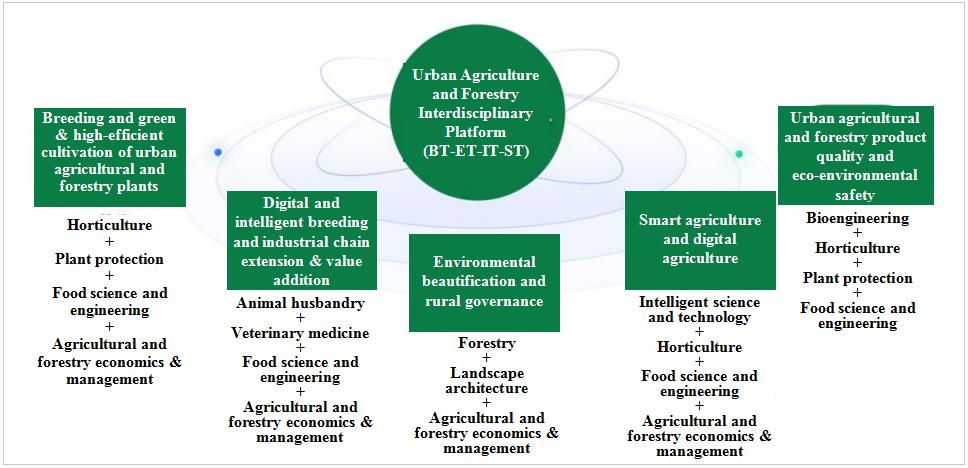
Two disciplines, namely plant and animal science, and agricultural science, have entered the top 1% of ESI globally. Approved as an emerging interdisciplinary platform of "urban agriculture and forestry science", BUA has defined five research priorities: breeding and green & high-efficient cultivation of urban agricultural and forestry plants, digital and intelligent breeding and industrial chain extension & value addition, environmental beautification and rural governance, smart agriculture and digital agriculture, and urban agricultural and forestry product quality and eco-environmental safety. Through interdisciplinary models such as "horticulture + food + intelligence" and "animal husbandry + food + intelligence", it has empowered the development of industries including ready-to-cook vegetables and animal husbandry, and built characteristic think tanks such as "Agricultural Economics + Ecology". BUA boasts four state-level and 13 municipal-level first-class undergraduate programs, and two first-class programs prioritized for development across universities and colleges in Beijing.
Further Strengthened Talent Cultivation
BUA steadily advanced classified talent cultivation. Based on its reality and guided by value-added evaluation, BUA completed revision of the education plans for two types of graduate students and the Chinese and English syllabuses for 316 courses, comprehensively reconstructing the curriculum outlines and teaching models. For research-oriented graduate students, with the goal of fostering their innovative capabilities, BUA has integrated research with teaching, and strengthened the cultivation of research competence. For practice-oriented graduate students, focusing on enhancing their practical abilities, BUA has promoted the synergy of research and teaching, and carried out customized order-based talent training relying on industrial research institutes and agriculture-related enterprises. Starting from 2025, the "special class" training model has been adopted for all practice-oriented graduate students, with a total of 39 special classes having been established. Driven by a project-based mechanism, BUA has integrated internal and external resources to build a "special class +" characteristic training model featuring synergy across multiple dimensions, including professor workstations, doctor farms, science and technology courtyards, and rural revitalization stations. The scale of graduate enrollment has maintained steady growth, with the ratio of research-oriented master's degree students to practice-oriented master's degree students kept at approximately 1:1.4.
Soaring Research and Innovation Capabilities
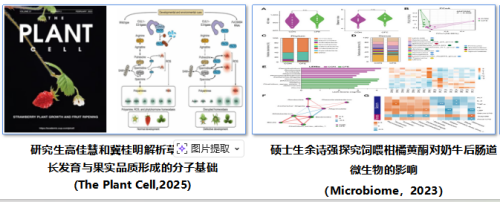
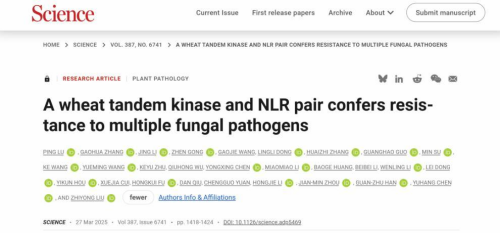
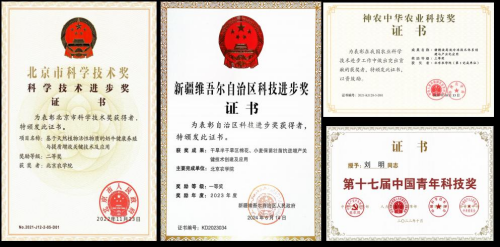
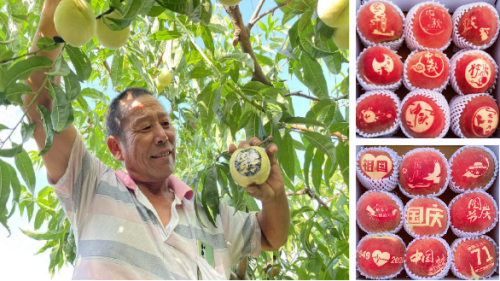
BUA has secured two projects under the National Key Research and Development Program for the 14th Five-Year period, along with 249 research projects at the provincial/ministerial level or above. The research funding received totaled RMB280 million, maintaining an annual growth of over 20%. It has been honored with 25 provincial/ministerial-level scientific research awards, granted 346 patents, and cultivated 52 plant varieties certified as new ones. A total of 522 SCI papers have been published, among which two papers, co-authored by BUA's young teachers as first authors, appeared respectively in the international top-tier journals Science and Cell. BUA has added five new scientific research platforms at the provincial/ministerial level and six at the university level. In 2022, BUA was approved to establish the National Forestry and Grassland Ancient Tree Health and Ancient Tree Culture Engineering Technology Research Center. Focusing on the construction of Pinggu Agricultural Zhongguancun, BUA has deeply engaged in the building of Beijing Jingwa Agricultural Science & Technology Innovation Center. Centering on the safe production and supply of agricultural products in Beijing, it has formulated China's first national standards including the Examination Rules for Production Licensing of Ready-to-Eat Fresh-Cut Fruits and Vegetables and the Hygienic Specifications for the Production of Ready-to-Eat Fresh-Cut Fruits and Vegetables. Focusing on Beijing's green development strategy, its interdisciplinary "Eco-Bridge" research team has carried out technological research on the utilization of agricultural waste and the construction of eco-tourism orchards, helping Pinggu peaches make their way to state banquets. BUA has cultivated more than 50 new characteristic varieties, including clove, lily, salvia splendens, ornamental crabapple, chestnut, and silage corn. Notably, "BUA Silage Corn 368" was the only special silage corn variety included in the 2023 National Catalogue of Recommended Excellent Crop Varieties. As a pioneer among universities, BUA has implemented the "Inducement Prize Competition" for scientific research projects, empowering rural revitalization through technological innovation.


Constantly Strengthened Platform Construction
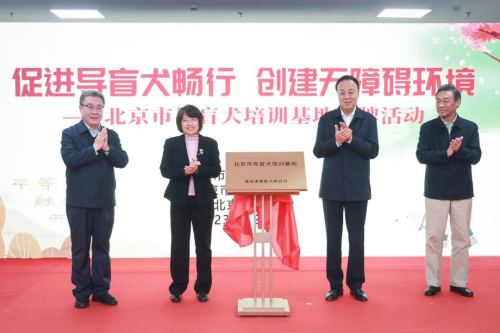
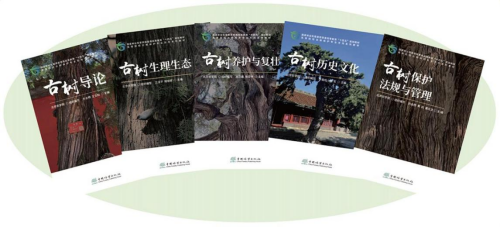
BUA has established 27 provincial/ministerial-level scientific research platforms, including the "Belt and Road" International Institute of Grape and Wine Industry Innovation and the Beijing Innovation Center for Rural Revitalization and Urban-Rural Integrated Development, as well as eight university-level characteristic research platforms, such as the Modern Substrate Industry Research Institute and the Smart Agriculture Research Institute. Moreover, BUA has set up the Yalu River Estuary Wetland Ecosystem Research Station in Liaoning, which features an integrated monitoring network covering hydrology, soil, atmosphere and biology, to provide scientific support for the protection of the northern Yellow Sea ecological zone and the comprehensive ecological management of cross-border rivers. The BUA-ELDC China-EU Smart Breeding Joint Research Center has been founded, focusing on research in precision nutrition, disease prevention and control, big data analysis, and smart farming technologies for livestock (cattle and sheep) breeding. A smart agriculture phenotyping platform has been built for observing plant morphological traits, offering big data support for biological breeding. Beijing's first guide dog training base and special guide dog training program have been launched, laying a solid foundation for and achieving initial results in breed selection, training and healthcare management of guide dogs. Approved to establish the National Forestry and Grassland Ancient Tree Health and Ancient Tree Culture Engineering Technology Research Center, BUA spearheaded the undergraduate and postgraduate degree programs in ancient tree conservation at home, with a specialization in ancient tree conservation set up under the forestry major, and a practice-oriented master's degree program launched in ancient tree conservation and restoration. This initiative has pioneered a specialized pathway for talent cultivation in the field of ancient and famous tree protection in China.


Continuously Optimized Faculty Composition
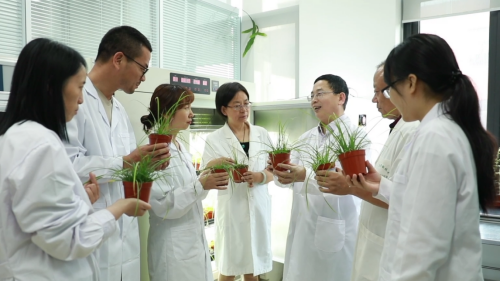
BUA has established and implemented a new mechanism for high-level talent team building led by the "BUA Scholars" initiative. Nine innovation teams, including the Research and Demonstration Team for Stress Resistance and Quality Improvement Technology throughout the Lifecycle of Protected Vegetables, have been set up, and 23 interdisciplinary teams have been established, covering areas such as urban agriculture and forestry plant health and safe production, biochips, and smart agriculture. Through flexible recruitment, BUA has introduced four academicians of the Chinese Academy of Engineering and foreign academicians, and attracted five national-level talents, including recipients of the National Science Fund for Distinguished Young Scholars and the National Hundred, Thousand and Ten Thousand Talents Project, and distinguished professors of Changjiang Scholars Program. The modern horticulture teaching team has been listed among the National Huang Danian-Style University Teachers' Team. BUA successively saw more than 200 approvals for including its faculty members in various talent programs, such as the Ministry of Education's New Century Excellent Talents Support Program, Beijing's High-Level Teaching Team Leaders Program, Beijing's Science and Technology Leading Talents Program, and Beijing's Hundred-Thousand-Ten Thousand Talents Program.

Enhanced Contribution to Social Services
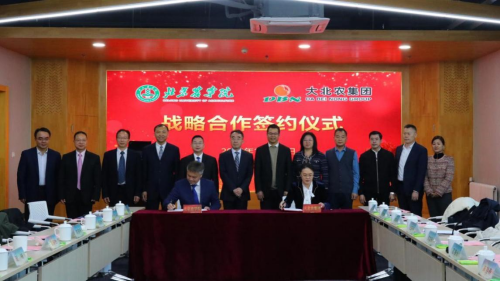
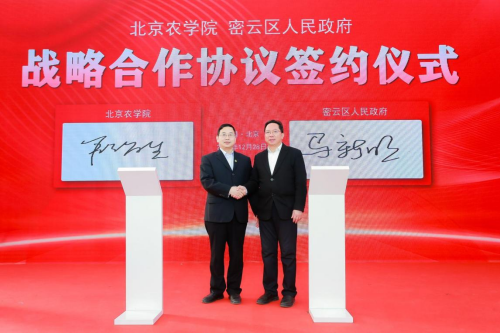
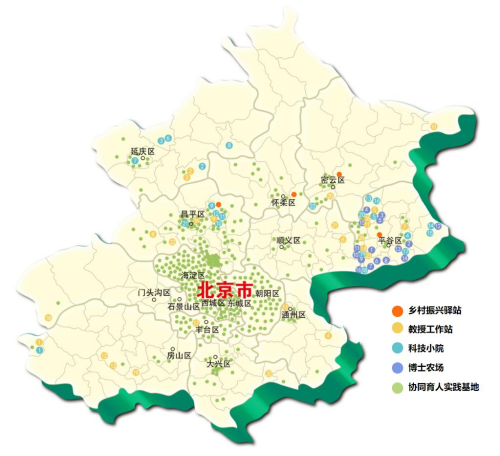
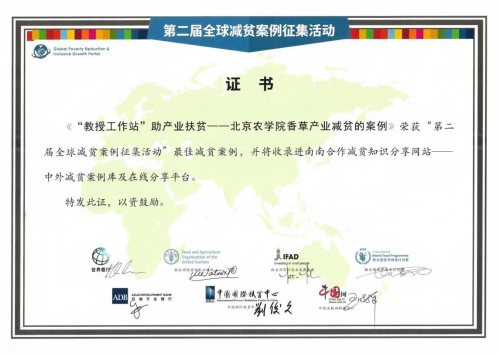
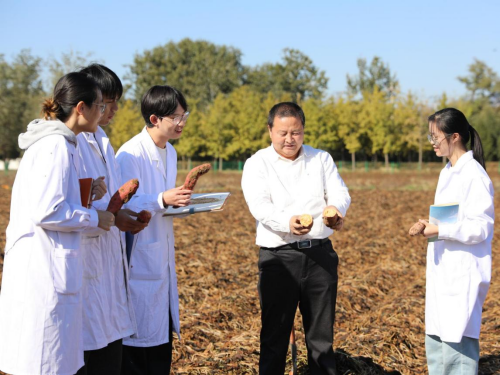
BUA's University Science Park has been accredited as a "National University Science Park", witnessing the launch of nine off-campus characteristic industrial bases, five science and technology service websites, and two technology pilot-scale test bases, commercialization of 89 scientific and technological achievements, and signing of 67 technology commercialization contracts with a total value of RMB16.0495 million. BUA has explored and practiced a "cash + equity" model for technology commercialization, and successfully completed the establishment of "Nong'an Cloud - Big Data Platform for Agricultural Product Quality Safety Credit", a technology commercialization project involving tens of millions of RMB in commercial values. Actively integrating into the development of the Agricultural Zhongguancun initiative, BUA has applied for the establishment of 16 doctor farms, and one foreign academician workstation has been settled at the Beijing Jingwa Agricultural Science & Technology Innovation Center. BUA has deepened collaboration with local governments and enterprises, setting up 50 professor workstations, 29 science and technology courtyards, and four rural revitalization stations; demonstrating and promoting 63 new varieties and technologies, and fulfilling the task of assisting 16 villages with weak collective economies in Beijing. BUA has been selected twice into the best cases in the "Global Poverty Reduction Case Collection Campaign", with five cases being included into typical cases of targeted paired assistance provided by Ministry of Education affiliated or provincial universities across four consecutive sessions.
Constantly Expanded International Cooperation
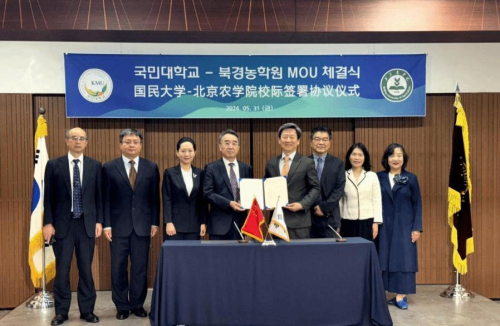
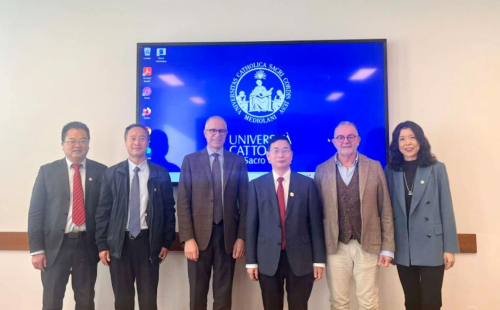
BUA has kick-started the "BUA Global Strategic Partnership Program" in all aspects, further expanding its "circle of friends" in international cooperation. To date, BUA has signed 111 cooperation agreements with 59 universities and institutions across 27 countries, including the UK and Australia. BUA was named the "Global Best Partner" by its partner institution, Edith Cowan University of Australia. BUA has actively carried out international joint education programs, partnering with 13 overseas universities and colleges. Recently, it has launched a new "2+2" joint education program in Horticulture in collaboration with the Edith Cowan University, as well as a student exchange program with Moscow State University of Law in Russia. BUA has vigorously developed overseas study and exchange programs for students, and further advanced academic and cultural exchanges, dispatching a total of 22 delegations involving 58 participants overseas for cooperation matters and academic exchanges, while receiving 59 delegations from 22 countries and regions for visits and exchanges.

 search


 LATEST NEWS