Editor's Note: Recently, the Beijing Municipal Education Commission and the Education Commission of Beijing Municipal Committee of the Communist Party of China, in collaboration with Qianxian magazine, launched a special feature entitled "Beijing Universities Advancing the Integrated Development of Education, Science and Technology, and Talent." The series includes three reports, namely "Beijing University of Agriculture: Rooted in the Capital, Advancing Urban Agriculture and Forestry," "Beijing University of Agriculture: Harnessing Science and Technology to Safeguard Ancient Trees," and "Beijing University of Agriculture: Cultivating Better Seeds to Drive the Revitalization of the Seed Industry." The reports provide an in-depth account of the University's efforts and achievements in cultivating a new generation of professionals with a deep understanding of and commitment to agriculture, promoting organized scientific and technological innovation and the commercialization of research outcomes, advancing the integrated development of education, science and technology, and talent, and accelerating its development into a high-level application-oriented university distinguished by its strengths in urban agriculture and forestry. The series has since been republished by major media outlets, including People's Daily Online, Xinhua News, Guangming Online, Beijing Daily, and bjedunews.
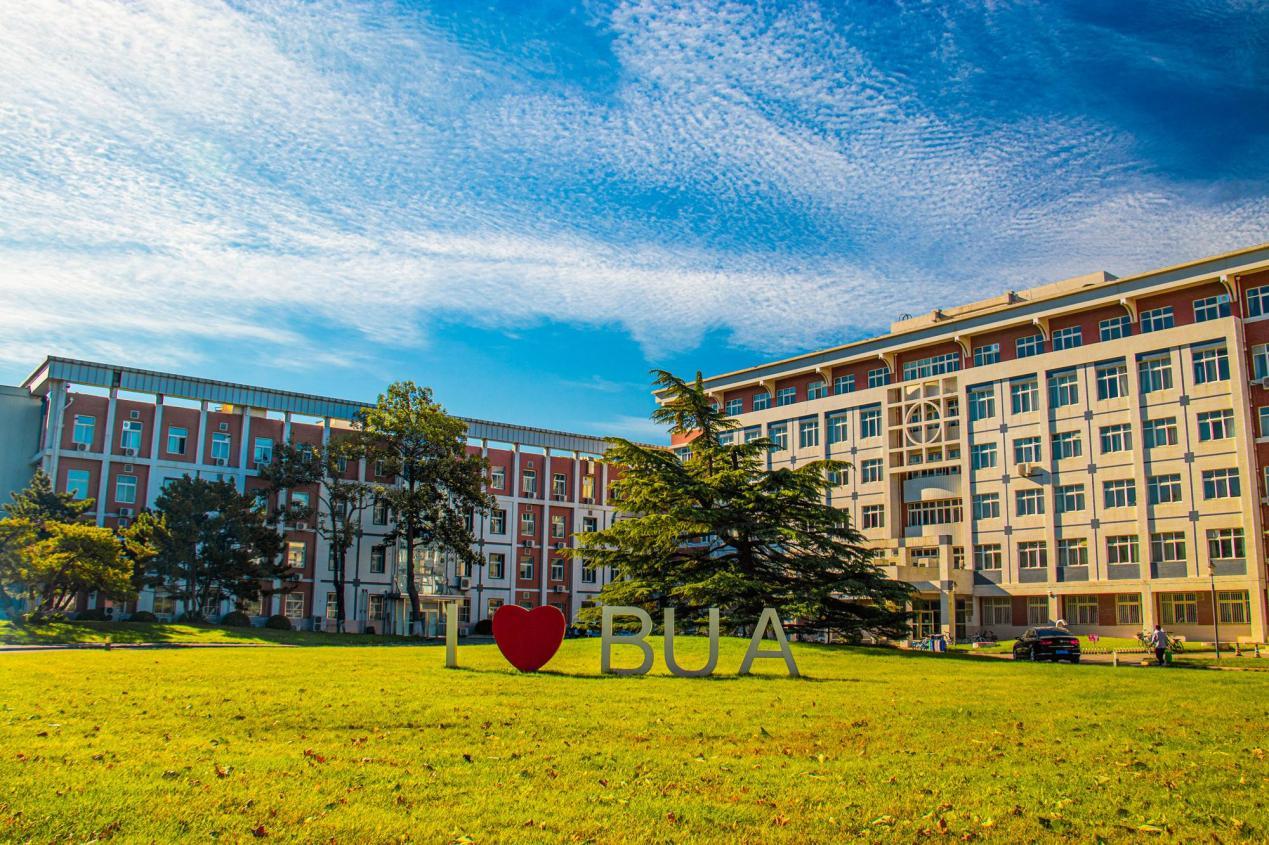
Founded in 1956, Beijing University of Agriculture (BUA) is a high-level application-oriented university distinguished by its strengths in urban agriculture and forestry. Over nearly seven decades of development, the University forged a motto of "Virtue, Action, Knowledge and Enthusiasm" and an agriculture-oriented, realistic and innovation-driven educational approach over the decades of school-running practice. Committed to developing a distinctive model of higher education in modern urban agriculture and forestry, the University has been selected for the first cohort of the National Excellent Talents Education and Training Program for Agriculture and Forestry and the Beijing Municipal Universities "2011 Plan." It has also been honored with the titles of National Civilized Unit and National Civilized Campus.
Cultivating a New Generation of Talents Dedicated to Agriculture
The University has continued to reform and innovate its talent cultivation system. It established one of Beijing's first interdisciplinary platforms in Urban Agriculture and Forestry, while its disciplines of Plant and Animal Science and Agricultural Sciences have both ranked among the top 1% globally in the Essential Science Indicators (ESI). It was also the first university in China to introduce a specialized postgraduate training model based on dedicated research cohorts. At the undergraduate level, the University has implemented a "3+1" training model, developed a cluster of programs with distinctive strengths in urban agriculture and forestry, and established two National Demonstration Centers for Experimental Teaching in Plant Science and Animal Science. It offers four National First-Class Undergraduate Programs in Horticulture, Agricultural and Forestry Economics and Management, Landscape Architecture, and Veterinary Medicine, as well as 13 Beijing Municipal First-Class Undergraduate Programs, including Food Science and Engineering and Bioengineering. The University also took the lead nationwide in launching China's first undergraduate program in Ancient Tree Conservation, further aligning talent development with the needs of agricultural and rural development in the capital. The University has strengthened collaboration with local governments and industry partners by establishing 307 collaborative education platforms integrating industry, academia, and research. Each year, it organizes approximately 500 teams comprising more than 3,000 faculty members and students to carry out agricultural support and rural assistance activities across every district of Beijing, transforming rural revitalization into a vibrant classroom for ideological and political education. In recent years, students have demonstrated significant improvements in both academic competence and professional capability. The graduate employment rate has remained above 96%, while more than 70% of graduates from agriculture-related disciplines have secured employment within their respective industries. Many alumni have gone on to make outstanding contributions in agricultural and rural development. At the 2025 National Commendation Conference for Model Workers and Advanced Workers, three BUA alumni, i.e., Liu Chang'an, Gong Shuangqing, and Song Lixin, were all awarded the title of National Model Worker in recognition of their exceptional contributions to agriculture, rural areas, and farmers.
Promoting Organized Scientific and Technological Innovation and the Commercialization of Research Achievements
Science and technology are the primary driving forces behind all-around rural revitalization. BUA has signed cooperation agreements with every agriculture-related district and numerous agricultural enterprises across Beijing. It has established 30 national- and provincial-level platforms for scientific and technological innovation and the commercialization of research outcomes, including the Beijing Key Laboratory of New Technology in Agricultural Application, the Capital Agricultural Product Safety Industrial Technology Institute, and the National University Science Park. The University has also developed a range of distinctive field-based innovation platforms, including Science and Technology Backyards, Doctoral Farms, Professor Workstations, and Rural Revitalization Service Stations, providing targeted solutions to critical technological challenges facing agriculture, rural areas, and farmers in the capital. BUA's achievements in supporting rural revitalization have gained both national and international recognition. Research outcomes and practical cases developed by its faculty and students have been selected three times as Best Cases in the Call of Global Solicitation on Best Poverty Reduction Practices. In addition, six University projects have been recognized as exemplary targeted assistance initiatives by the Ministry of Education over five consecutive selection rounds for provincial and municipal universities. A number of faculty members have also earned widespread recognition among farming communities, affectionately becoming known as the "Chestnut Professor," "Tomato Professor," "Strawberry Professor," "Apricot Professor," and "Sweet Potato Professor" for their long-term service to agricultural production.
Focusing on the development of AgriZhongguancun, the University established an Academician Workstation at the Beijing Jingwa Agricultural Science&Technology Innovation Center in Pinggu District, where interdisciplinary teams conduct research on dairy cattle health management and protected horticulture technologies. These research achievements have been recognized with the Second Prize of the National Science and Technology Progress Award. The University has also formed the interdisciplinary EcoBridge Team, which conducts research on the resource utilization of agricultural waste, ecological sightseeing orchards, and creative cultural products such as peach-themed souvenirs. These innovations have contributed to elevating Pinggu peaches to the menus of China's state banquets. Supporting Beijing's "Hundred-Village Demonstration & Thousand-Village Revitalization Initiative" (referred to as the "Hundred-Thousand Project"), the University developed the Digital Jingcun Platform, an integrated digital management system that has now been adopted in 82 demonstration villages. Widely regarded as the "Rural Brain" for digital village development, the platform provides intelligent support for rural governance and revitalization. The University also led the planning of a demonstration area under the project in Changping District, helping Xinzhuang Village become a model for rural development across Beijing. Responding to the capital's vision of becoming a Garden City, the University has contributed to landscape enhancement projects in Beijing's historic and cultural conservation districts. Faculty members and students completed planting design optimization and developed "micro gardens" along 11 streets, including the historic Qianmen–Dashilan area, helping create greener and more livable urban spaces. The University's independently developed 'Cailing' series of scarlet sage (Salvia splendens) made its debut in the floral displays along Chang'an Avenue during the National Day celebrations, showcasing the University's achievements in ornamental plant breeding. Addressing issues of public concern, the University has developed a polymeric organic pollen-fixing agent to mitigate allergic reactions caused by Chinese juniper pollen. Now in mass production and practical use, the product achieves a pollen settlement rate more than twenty times higher than that of conventional water spraying methods. Drawing on its strengths in veterinary medicine, social work, and related disciplines, the University has also partnered with the Beijing Disabled Persons' Federation and the Beijing Municipal Education Commission to establish Beijing's first comprehensive Guide Dog Training Base, integrating scientific research, breeding, professional training, and public education. The initiative contributes a distinctive BUA solution to advancing high-quality services for people with disabilities in the capital.
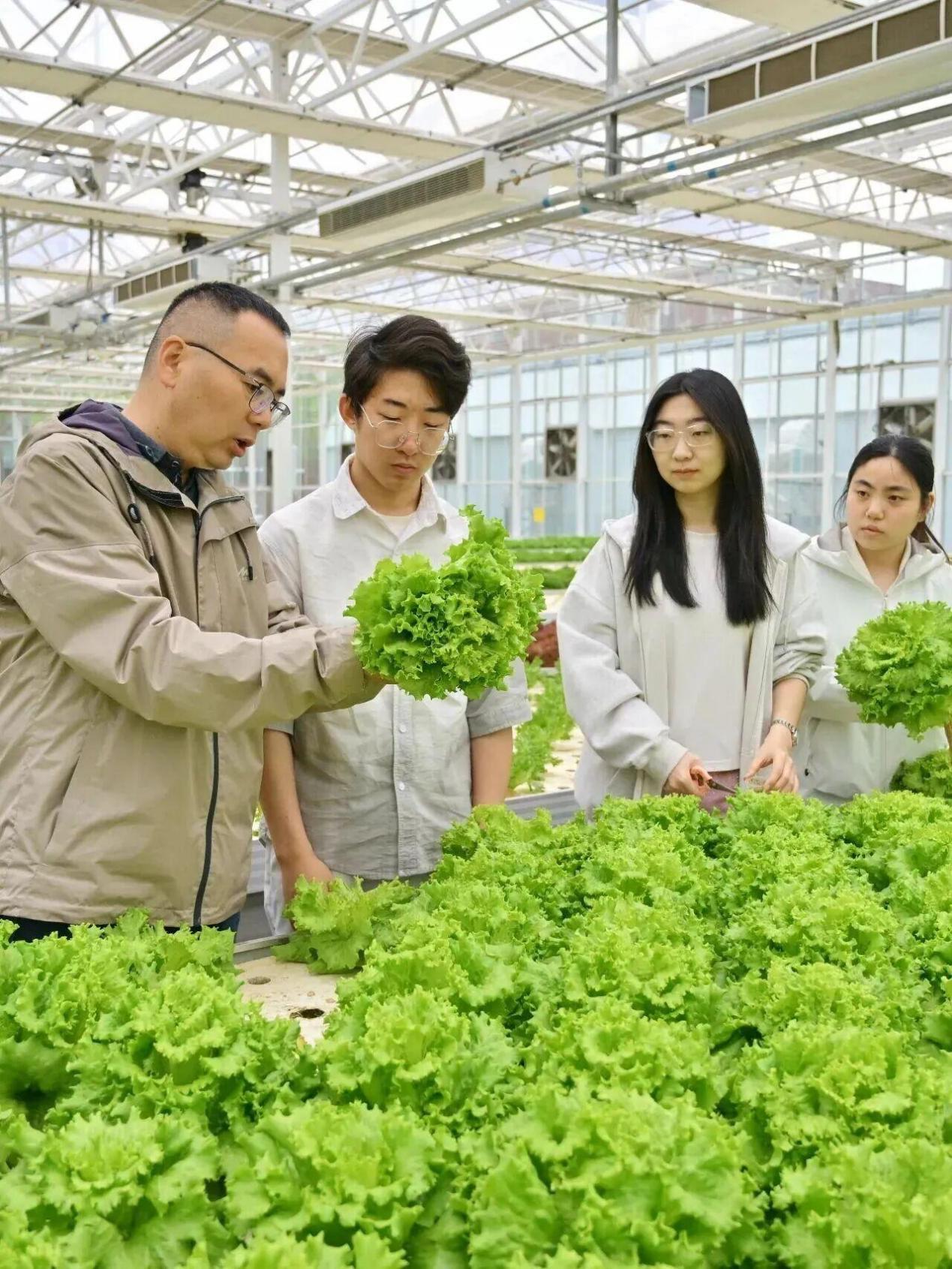
Students take part in a practical training class inside a smart greenhouse at BUA.
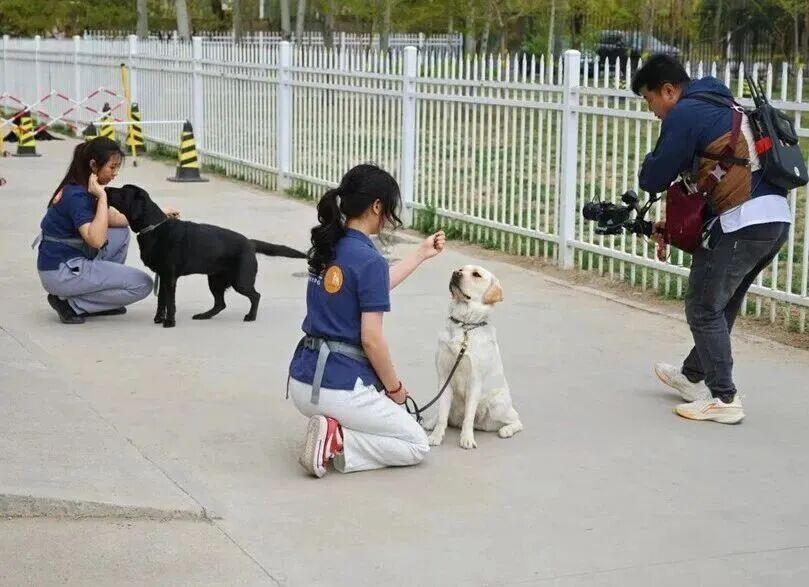
Students enrolled in BUA's Guide Dog Training Program conduct training sessions with guide dogs.
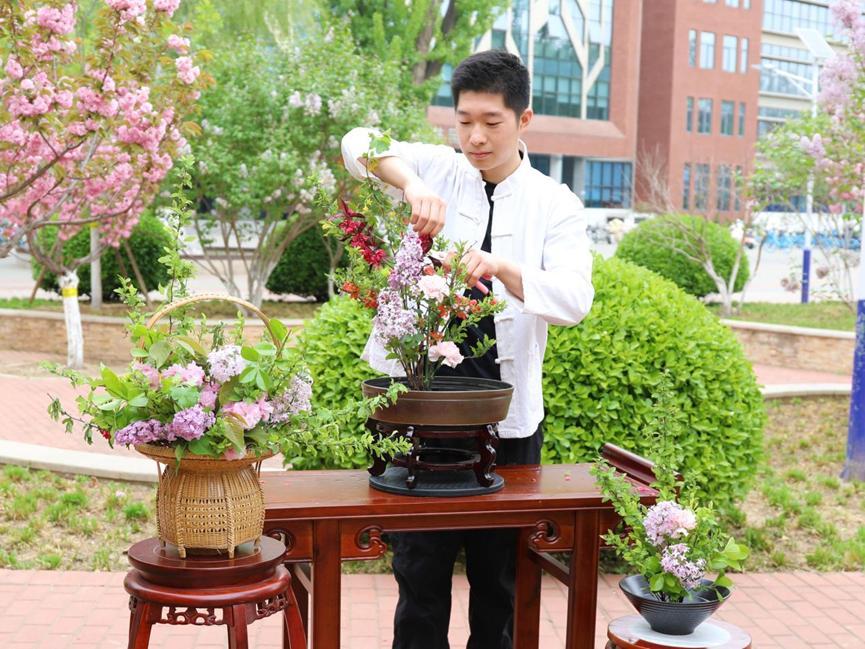
Hu Yuyang, a student of Professor Hou Fangmei (an inheritor of China's intangible cultural heritage of traditional Chinese floral arrangement) of the School of Landscape Architecture, demonstrates the art of coiled floral design.
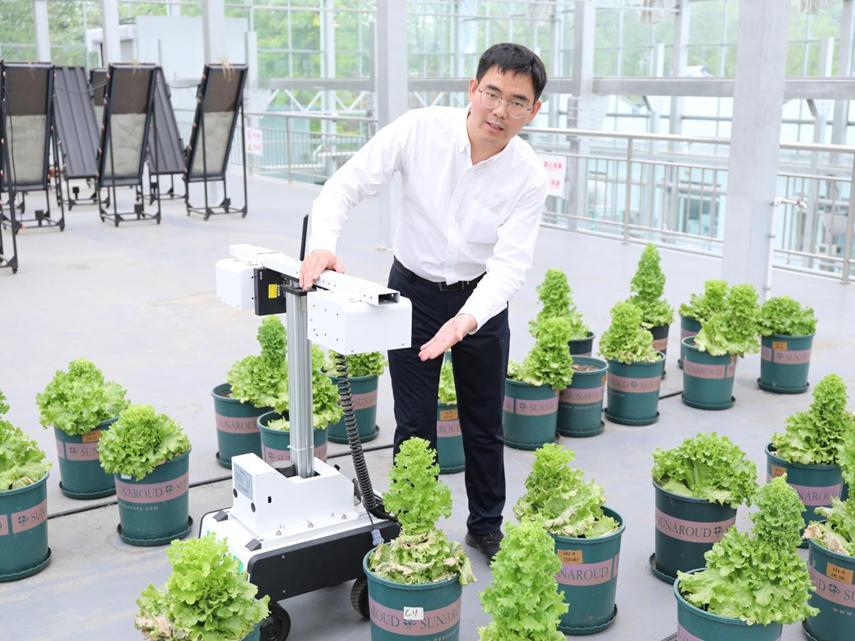
At the Smart Phenotypic Experimental Center, Professor Fan Zhengqiang of the College of Intelligent Science and Engineering demonstrates the University's phenotypic platform, which integrates advanced technologies including big data, the Internet of Things (IoT), and artificial intelligence.
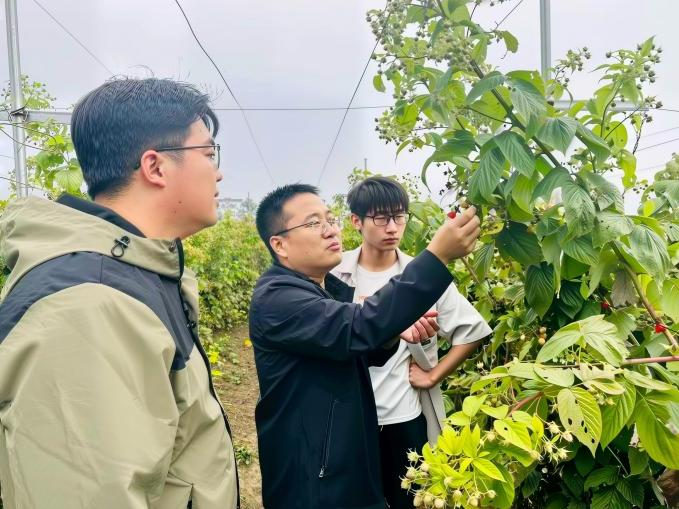
In recent years, successive cohorts of postgraduate students have taken root in the countryside, growing from aspiring young scholars into highly capable agricultural professionals. Focusing on key areas such as high-quality seedling propagation, organic cultivation of greenhouse grapes, and the introduction of southern fruit varieties to northern China, they have contributed to the development of Beijing's specialty berry industry while writing their own chapter in the revitalization of the capital's rural industries.
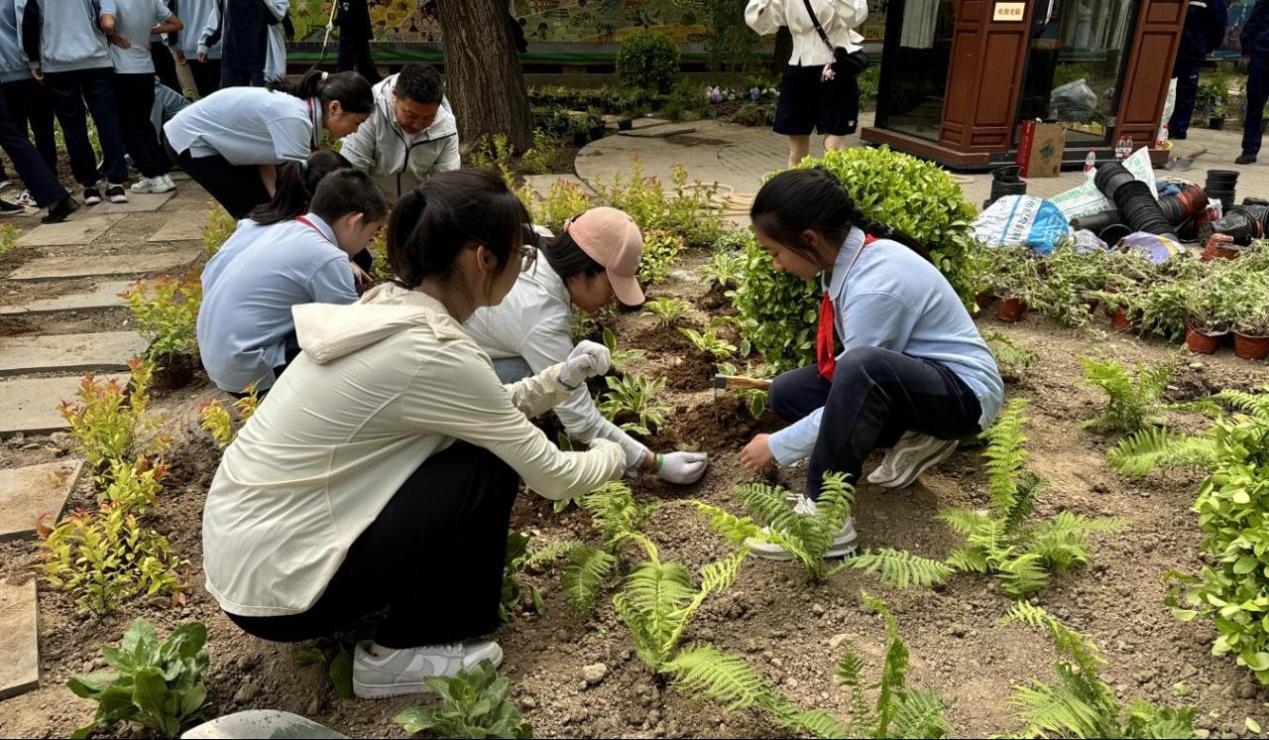
Drawing on their professional expertise, BUA faculty members and students have played an active role in advancing the Beautiful Beijing initiative. Through the creation of dozens of micro gardens, they have transformed the broad vision of a Garden City into tangible improvements that allow residents to enjoy greenery outside their windows and parks within walking distance. These projects exemplify both the professional strengths of an agriculture and forestry university and its commitment to serving the city and its communities.
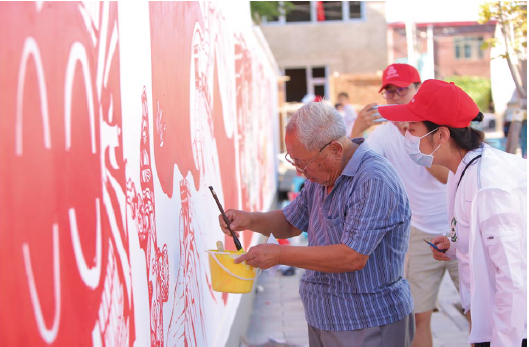
In October 2021, BUA established the Beijing Science and Technology Backyard in Sijiazhuang Village, Yangfang Town, Changping District. Since then, faculty members and students have leveraged their disciplinary expertise, integrated social resources, and implemented a series of rural governance initiatives that have steadily revitalized the village. The photograph shows students and local villagers participating together in a rural mural-painting activity under the theme of "Attracting Talent through Competition" at the Sijiazhuang Science and Technology Backyard.

 search


 LATEST NEWS