he WAFI Innovation Forum for Agricultural Science Communication, a parallel event of the World AgriFood Innovation Conference (WAFI), was held at Beijing University of Agriculture (BUA) on September 15. Jointly organized by the Children and Youth Science Center of CAST, the China Association of Agricultural Science Societies (CAASS), and the Beijing Association for Science and Technology (BAST), and hosted by BUA, the forum was the first national-level event in China dedicated specifically to agricultural science communication.
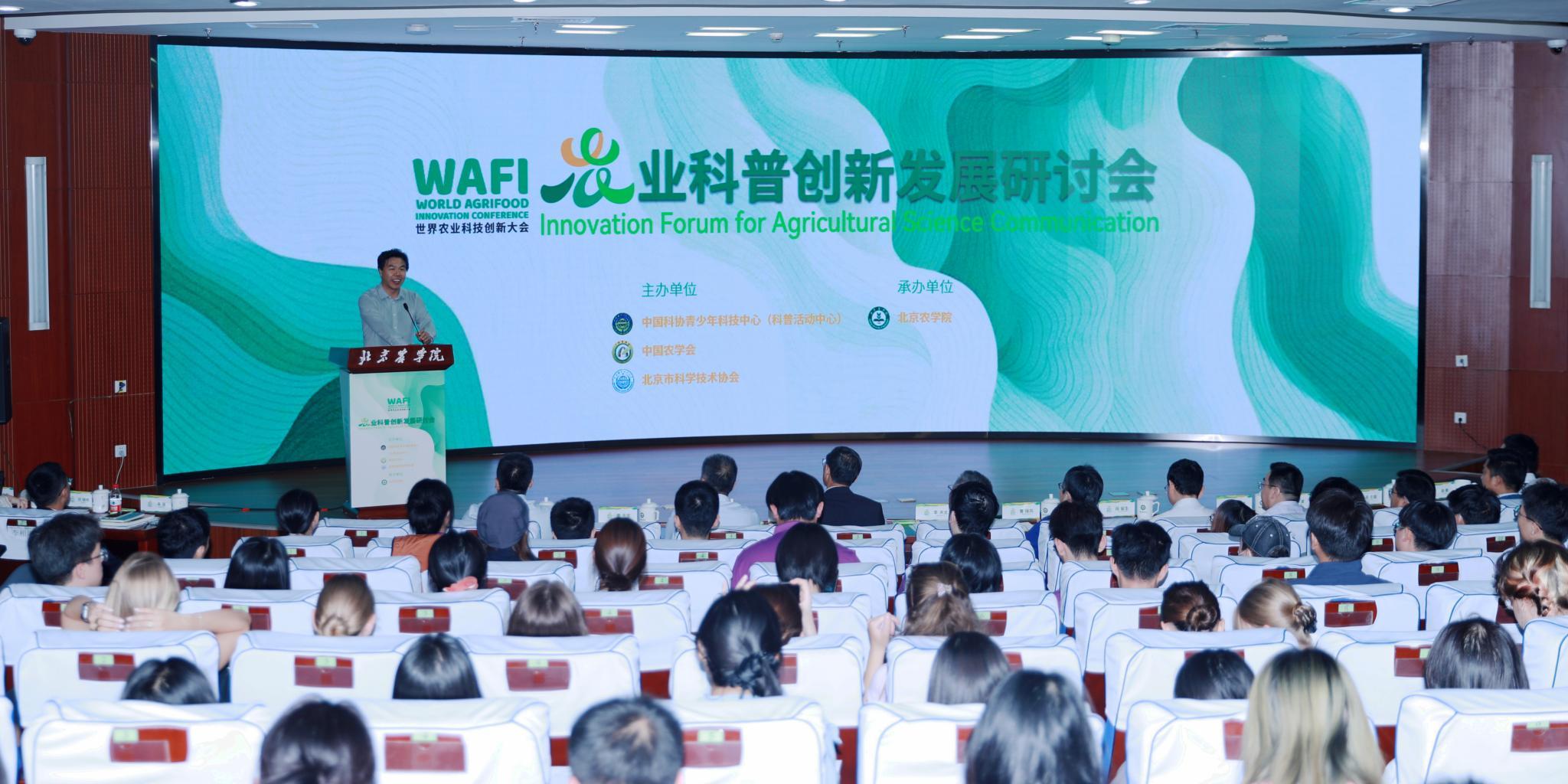
The forum focused on implementing the newly revised Law of the People's Republic of China on Popularization of Science and Technology. It also addressed the requirements set out in the Opinions on Strengthening Agricultural Science Communication, jointly issued by the Ministry of Agriculture and Rural Affairs, the Ministry of Science and Technology, and CAST, and the Opinions on Further Strengthening Science Communication in Higher Education Institutions, issued by CAST and the Ministry of Education. With a focus on supporting China's efforts to become a leading agricultural nation and advancing rural revitalization, the event brought together experts and practitioners to explore new approaches to agricultural science communication.
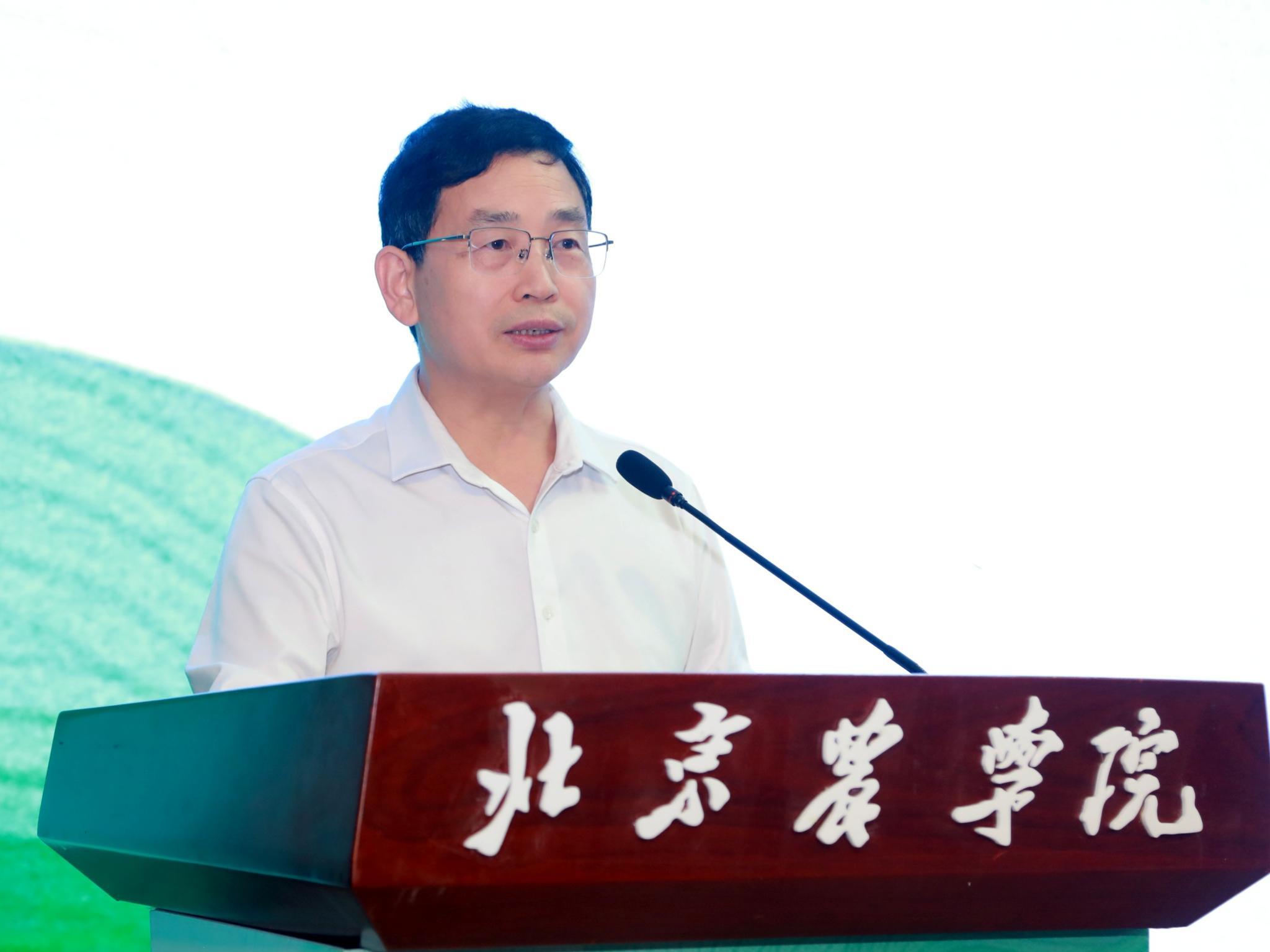
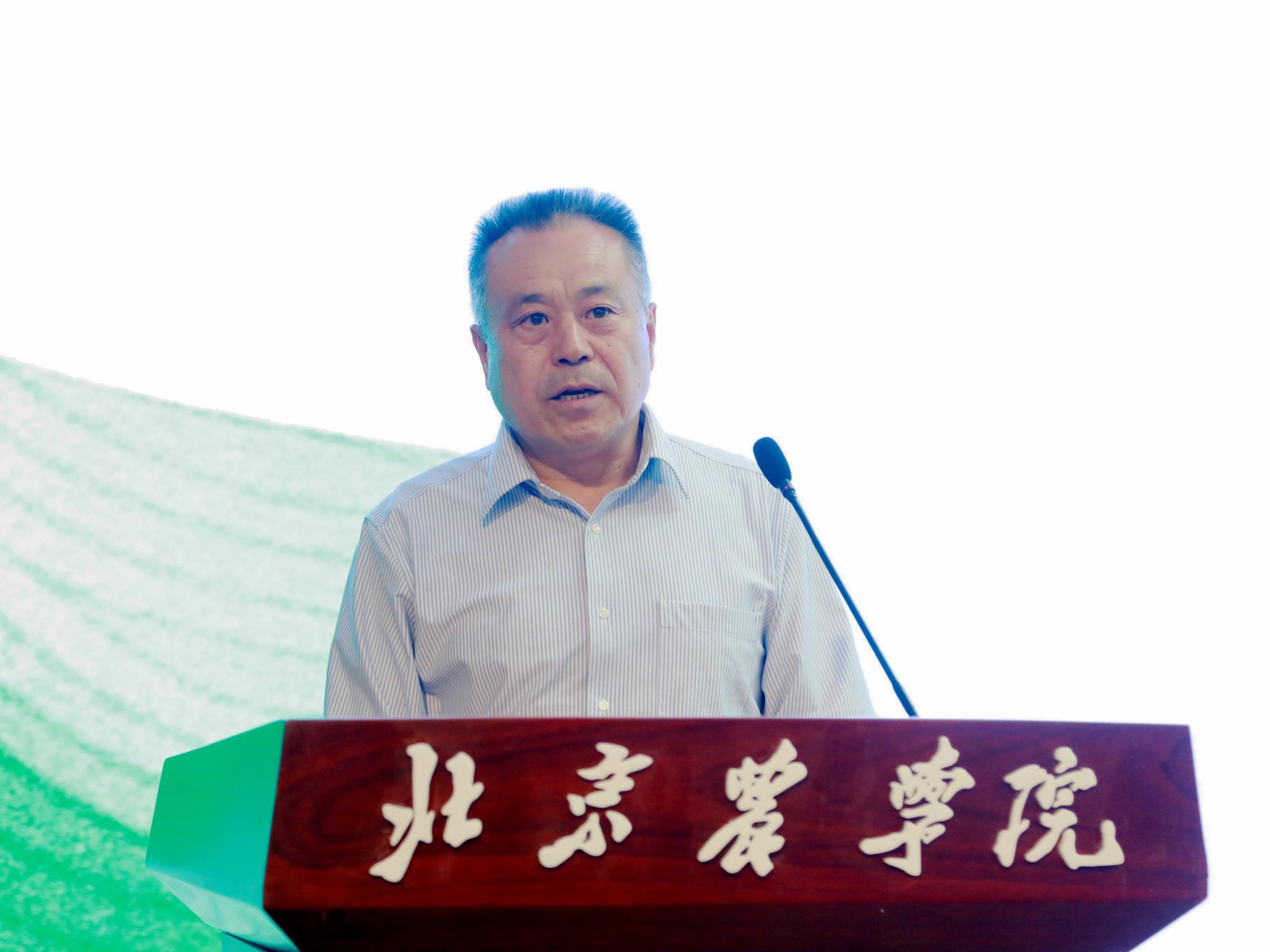
Duan Liusheng, Deputy Secretary of the CPC Committee of BUA and President of the University, delivered a welcome address. Other speakers included Fan Shenggen, Executive Chair of the WAFI Advisory Committee and Director of the Academy of Global Food Economics and Policy; Niu Minjie, Secretary of the Commission for Discipline Inspection of the Human Resources Development Center of the Ministry of Agriculture and Rural Affairs and Deputy Secretary-General of CAASS; and Yue Hongzhi, a Level I Bureau Rank Official of BAST. They delivered remarks on behalf of the conference and forum organizers.
Welcoming the participants on behalf of BUA, Duan Liusheng said that over its 70-year history, the University has incorporated agricultural science communication into its work in talent development and social service. Through regular collaboration with rural communities in Beijing's suburban areas, BUA has provided agricultural technology guidance, science outreach training, and technology transfer. It has also promoted the integration of science education and labor education across primary, secondary, and higher education, helping improve agricultural science literacy among local communities and students at different educational levels. Duan expressed the hope that the forum would bring together expertise from different sectors, address challenges in communicating agricultural science, and help establish a collaborative network for agricultural science communication. BUA would continue to draw on its strengths in urban agriculture and forestry, strengthen links between scientific research and science communication, encourage young people to develop a commitment to agriculture and acquire the skills needed to advance it, tell compelling stories about China's agricultural science and technology, and contribute to building China into a leading agricultural nation.
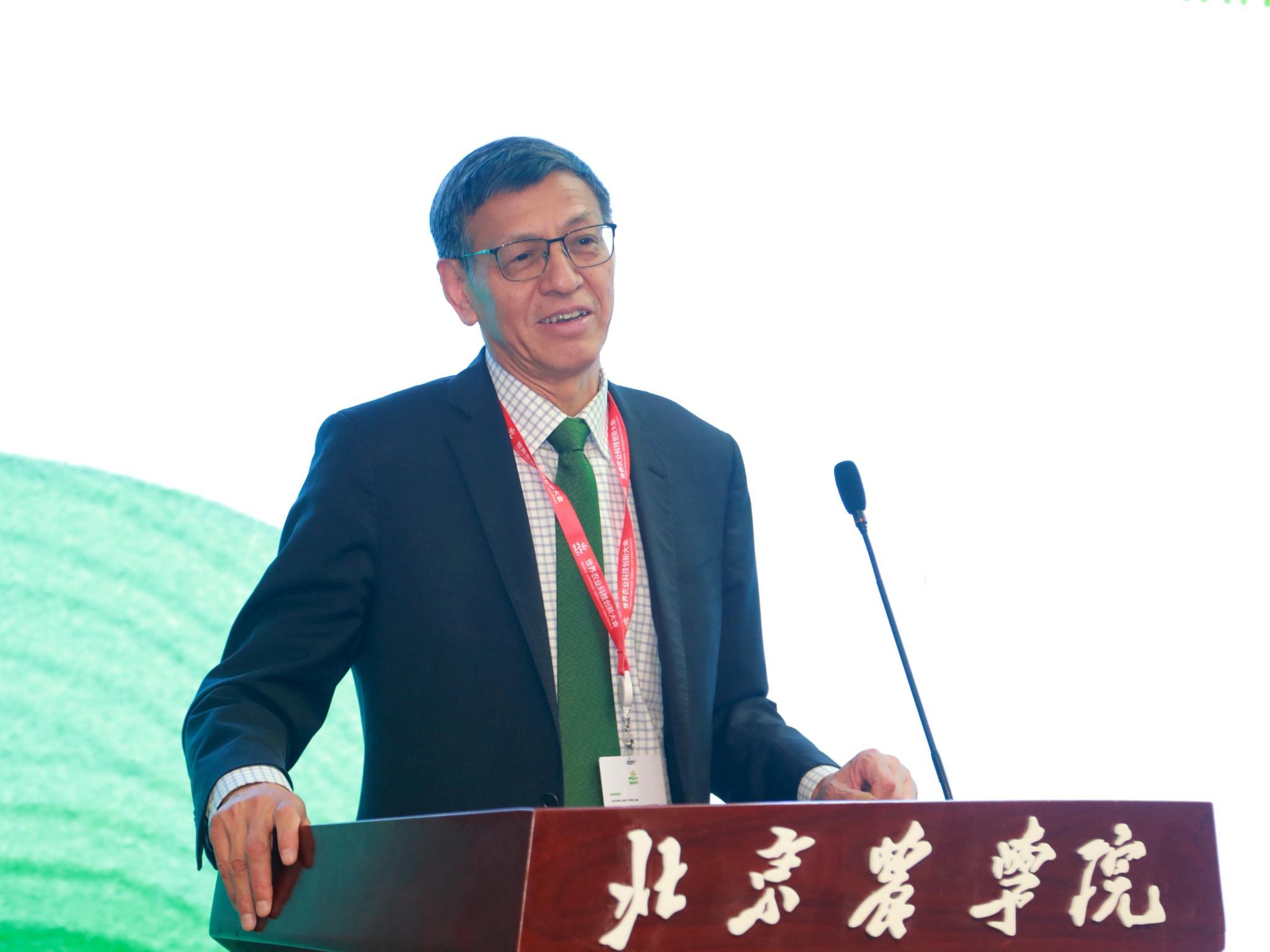
Fan Shenggen said that scientific and technological innovation generates new knowledge, while science communication helps bring that knowledge into practical use and provides opportunities to test it in practice. Agricultural science communication therefore serves as an important link between agricultural innovation and application. He noted that the Report on Innovation and Development in Agricultural Science Communication (2024–2026) provides a systematic account of institutional developments, participating stakeholders, and practices in agricultural science communication in China, offering a basis for international exchange in the field. He expressed the hope that the forum would serve as a starting point for making agricultural science communication a regular area of focus for WAFI and for strengthening connections between agricultural scientific and technological innovation and public communication.
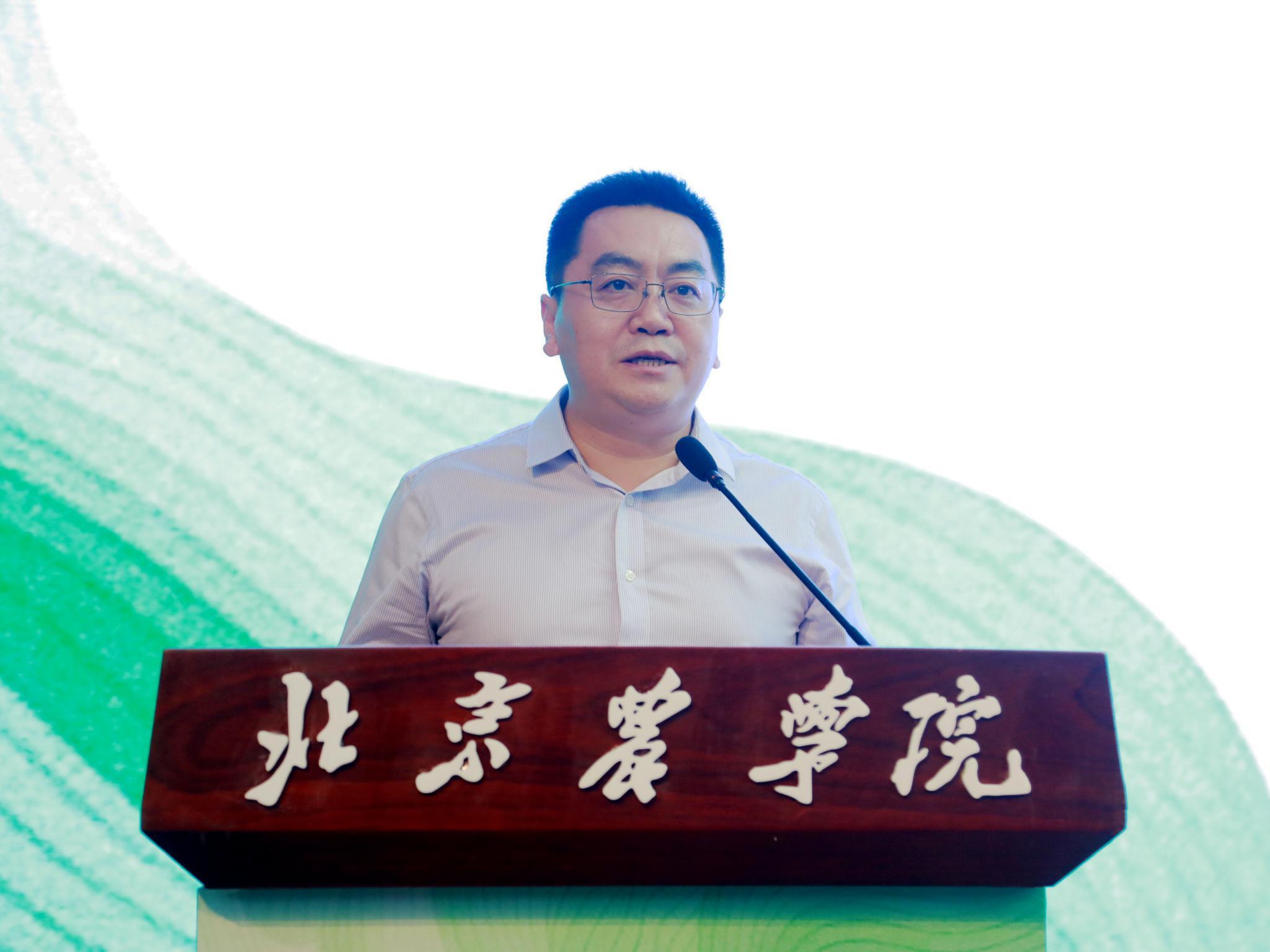
Niu Minjie said that the first forum dedicated specifically to agricultural science communication would help bring together professional expertise and promote the field's development in China. In recent years, CAASS has made science communication an important part of its work and developed a mechanism covering the full chain of science communication in line with national priorities. Together with relevant organizations, it compiled the Report on Innovation and Development in Agricultural Science Communication (2024–2026), which reviews the development, current status, achievements, and future directions of science communication in China, with a particular focus on agricultural science communication. CAASS will continue to work with its partners to support the high-quality development of agricultural science communication in China.
Yue Hongzhi said agricultural science communication helps disseminate scientific knowledge and promote advanced technologies, while improving public understanding of modern agriculture and building broader support for agricultural scientific and technological innovation. He said BAST would respond to the needs of Beijing's urban agriculture sector and support the goals of developing Agricultural Zhongguancun and building Beijing into a "Seed Capital." It will draw on the findings of the Report on Innovation and Development in Agricultural Science Communication (2024–2026), further mobilize agricultural science and technology resources in the capital, expand the settings in which science communication services are provided, and encourage agricultural researchers and technology professionals to participate more widely in science communication. These efforts will help bring high-quality science outreach resources to rural communities, young people, and the broader public.
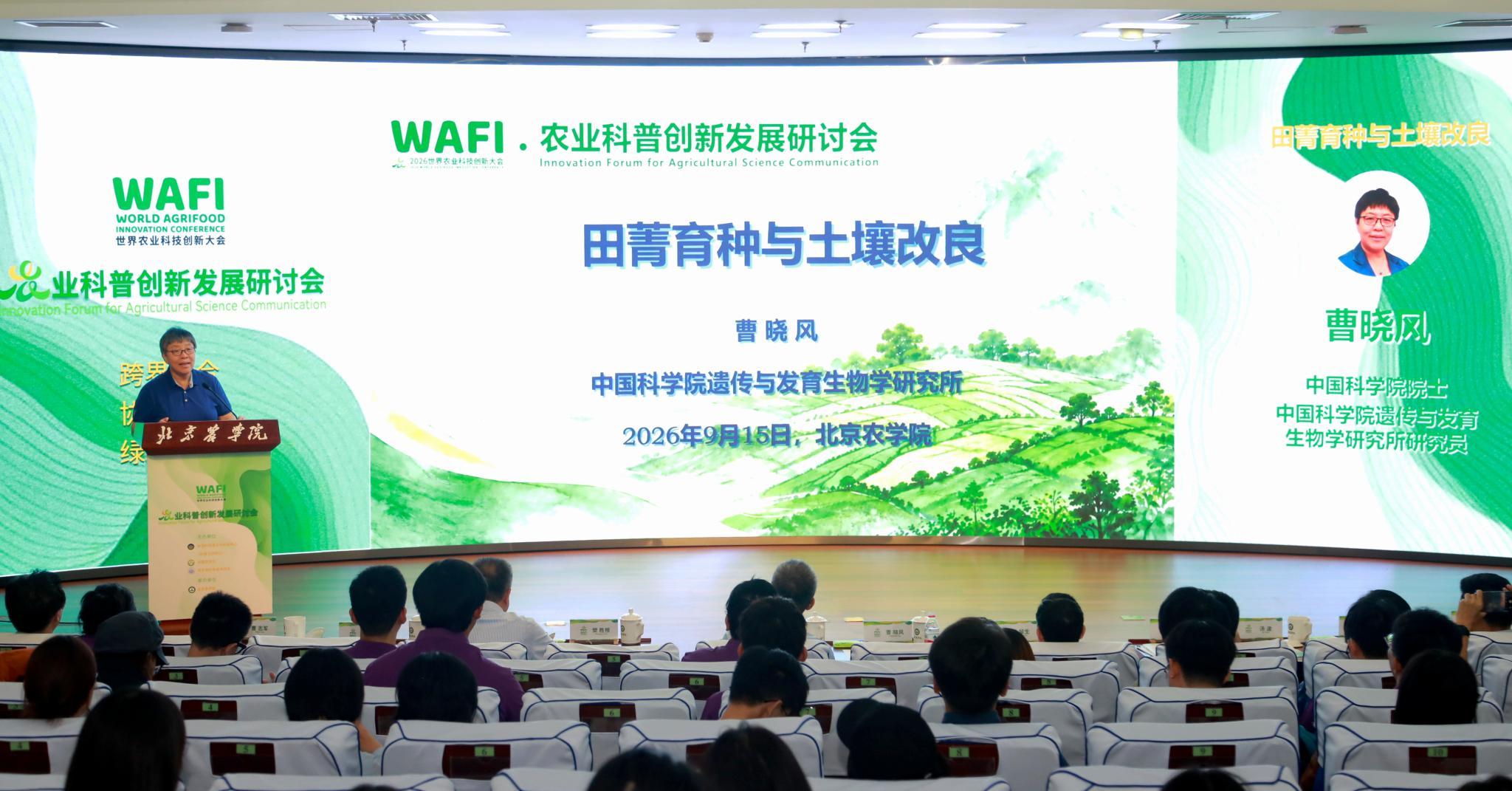
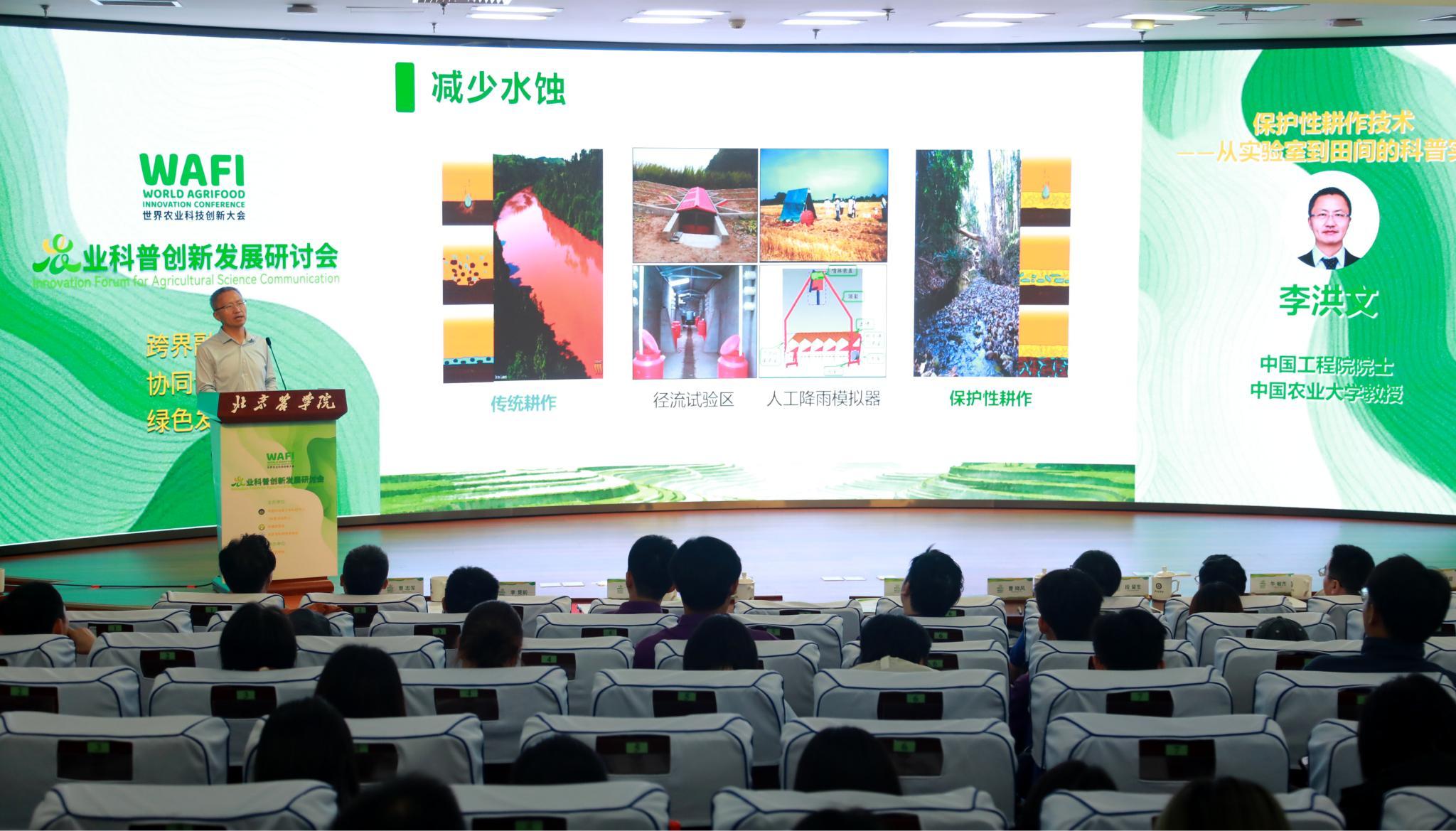
Academician Cao Xiaofeng of the Chinese Academy of Sciences and Academician Li Hongwen of the Chinese Academy of Engineering delivered keynote presentations titled Sesbania Breeding and Soil Improvement and Conservation Tillage Technology: Science Popularization in Practice from the Laboratory to the Field, respectively. Experts in science communication from research institutes, universities, and professional societies also spoke on topics including forage breeding, land cultivation, science and technology courtyards, landscape plants, and genetic modification. The presentations covered agricultural research, technology extension, and science communication, linking cutting-edge agricultural research with science communication and strengthening connections between scientific research and public outreach.
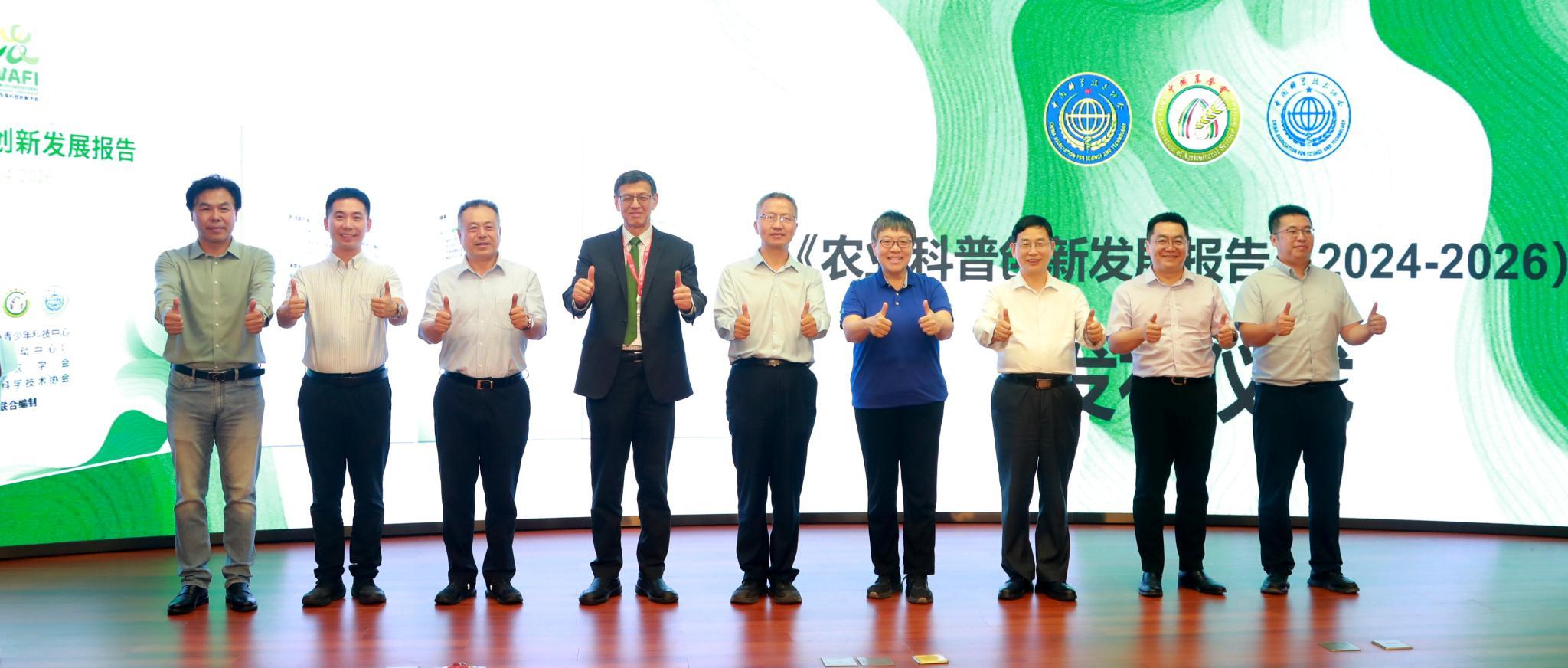
A major highlight of the forum was the release of China's first Report on Innovation and Development in Agricultural Science Communication (2024–2026). Cao Zhijun, Member of the Standing Committee of the CPC Committee and Vice President of BUA and a leading professor at China Agricultural University, presented an overview of the report. The report provides a systematic review of agricultural science communication practices in China from 2024 to 2026. It consists of six major sections covering the history and theories of science communication in China since the founding of the People's Republic of China; the development and current status of agricultural science communication in China; international experience in science communication; public awareness and public opinion monitoring; and strategies and recommendations for innovation and development. Its appendices compile major policy documents on science communication, national agricultural science communication bases, agricultural science communication teams, and agricultural science communication works. The report is intended to serve as a reference for policymaking, science communication at research institutions and universities, and public science outreach by enterprises.
The forum also announced a series of national initiatives to follow up on the event. These include joint initiatives involving universities and national agricultural science communication bases, as well as efforts to make agricultural science communication resources available to the public during National Science Popularization Month and the Farmers' Harvest Festival. Academician science communication studios at agricultural universities, science and technology courtyards, national agricultural science education bases, national key laboratories, and germplasm resource banks will be encouraged to open their facilities and resources to the public. Planned activities include educational visits, field classes, expert lectures, and interactive experiences. The organizers will also continue to collect exemplary cases of innovation in agricultural science communication from government agencies, universities and research institutes, agricultural enterprises, media platforms, science communication bases, and new farmers nationwide. The effort will identify practices with potential for replication and wider application. The first Collection of Exemplary Cases in National Agricultural Science Communication is scheduled to be released at the 2026 CAASS annual meeting.
More than 800 experts and scholars, as well as faculty and student representatives from universities specializing in agriculture and related fields across China, attended the forum. The event was livestreamed on 11 platforms, including the official WAFI platform, China Science Communication, Guangming Online, NetEase News, Farmers' Daily, the Center of Agro-product Safety and Quality, Ministry of Agriculture and Rural Affairs, and BAST. The livestreams attracted more than 2 million views.

 search


 LATEST NEWS