Recently, at the 15th Annual Conference & Brussels Summit of the World Green Design Organization (WGDO) held in Brussels, the capital of Belgium, Associate Professor Sun Yunjin from the College of Food Science and Engineering of BUA was awarded the 2025 Green Design International Award for his "Technical Solution Utilizing Superionic Technology to Improve Agricultural Emission Reduction Effect".
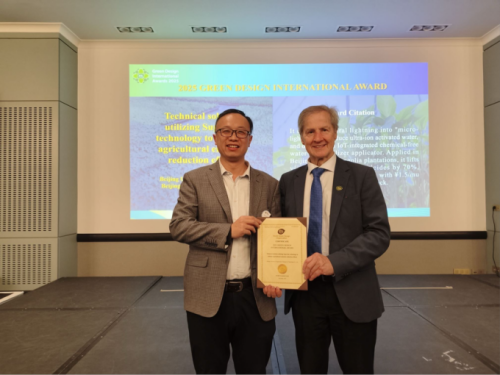
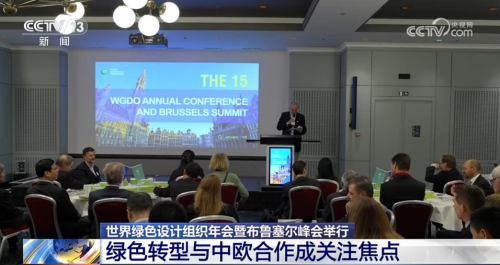
Under the theme of "Green Design Empowers Global Sustainable Development", the event brought together representatives of governments, industry, academia and research institutes as well as international organizations from around the world to explore pathways for green transition and new mechanisms for international cooperation. The Green Design International Award is an international and specialized public welfare award established by WGDO. It aims to recognize the green products, projects, individuals or institutions that align with the concept of green design, drive recyclability, sustainability and non-hazardous outcomes through the active use of green technologies, materials, energy, construction, equipment and production modes, and help protect or improve the living environment of humanity. Winning this award is a high recognition of BUA's long-term innovation and practice in the field of green design.
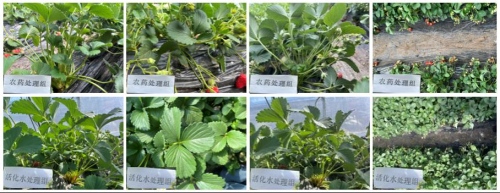
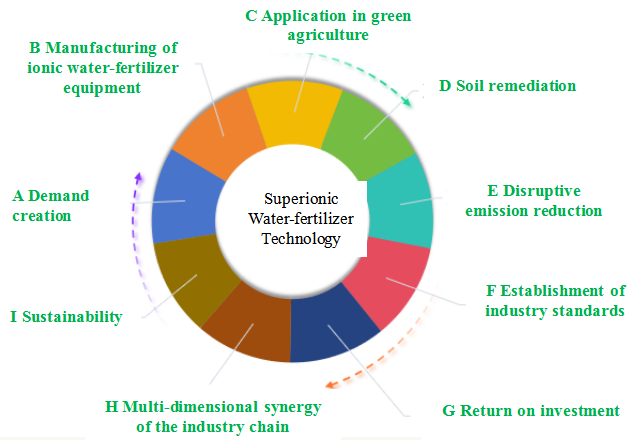
Governance of agricultural non-point source pollution and pesticide residues is crucial to turning "lucid waters and lush mountains" into "invaluable assets". With solid research and practice in green agriculture, Associate Professor Sun Yunjin's team closely combined superionic technology with national strategies, focusing on the technical solution utilizing to superionic technology to improve agricultural emission reduction effect. Breaking through the bottleneck that superionic discharge is confined to the discharge zone, the solution can generate superionic active water with sustained stability for large-scale applications in expansive spaces.
Superionic active water stimulates the internal momentum of agricultural systems through physical means, reducing reliance on chemicals at the source, and supporting green agriculture by driving yield increase, emission reduction and quality improvement. "This technology closely aligns with the principle for pollution prevention, which highlights pollution reduction at the source, process control and resource recycling, responds to the strategy of 'winning the battle against pollution', and aims to provide a BUA's Solution for the sustainable development of global agriculture,” said Sun Yunjin.

 search


 LATEST NEWS