The 40th Collaboration Meeting of the Urban Agriculture University Alliance and 3rd Conference of the Agricultural Science Alliance of the Beijing-Tianjin-Hebei-Inner Mongolia University Alliance was held in Beijing on October 16. Co-hosted by the two alliances and organized by Beijing University of Agriculture (BUA), the event brought together university leaders and experts from 19 institutions specializing in agriculture and related fields. Under the theme "Deepening the Development of New Agricultural Sciences and Driving High-Quality Development: Practical Pathways for Urban Agriculture Innovation and Regional Collaboration in Agricultural Education," participants shared insights and exchanged views on advancing agricultural education and cooperation. The opening ceremony was presided over by Duan Liusheng, president of the university.
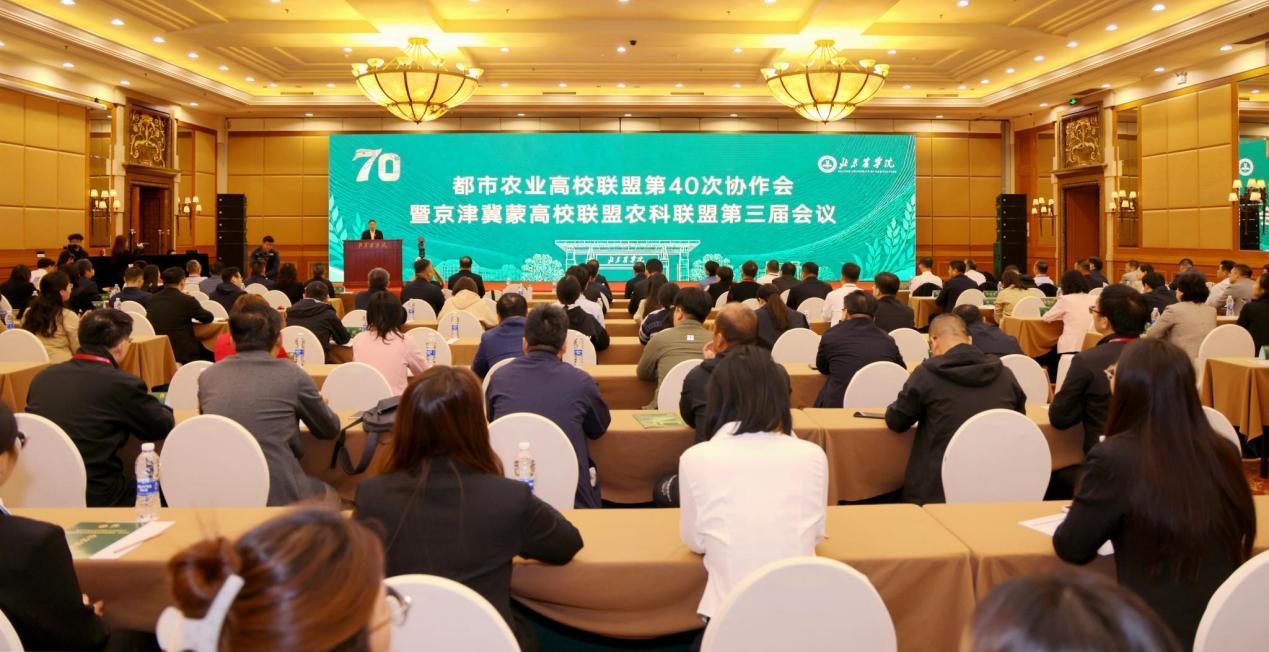
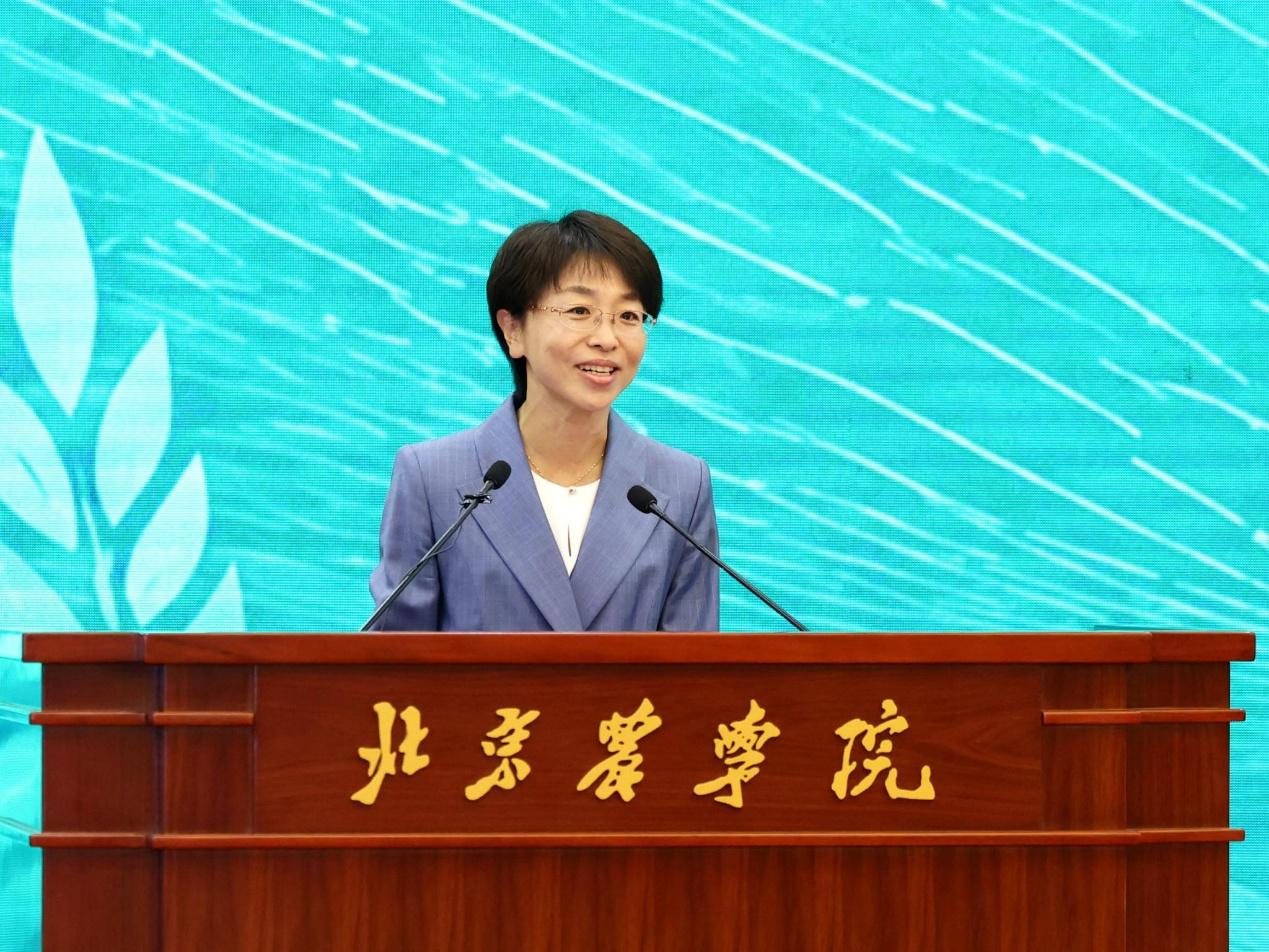
Qing Zhaoshen,chairman of university council, delivered the opening address. She noted that BUA has remained committed to its mission of agricultural and forestry education and developed distinctive strengths in urban modern agriculture and forestry education. The university has established a talent development system covering the entire industrial chain of urban modern agriculture, providing strong talent and intellectual support for advancing comprehensive rural revitalization and helping Beijing take the lead in basically realizing agricultural and rural modernization. As the university marks its 70th anniversary, BUA is steadily moving toward its goal of becoming a leading applied university in China with international recognition and distinctive strengths in urban agriculture and forestry. She noted that the Urban Agriculture University Alliance and the Agricultural Science Alliance of the Beijing-Tianjin-Hebei-Inner Mongolia University Alliance have provided broad platforms for member universities to learn from one another and pursue shared development. The alliances have played an important role in promoting the application and commercialization of agricultural scientific and technological achievements and improving the overall quality of agricultural education in the region. She expressed the hope that member universities would work more closely to meet the needs of agricultural development, pool their educational resources more effectively, and pursue extensive and practical cooperation, contributing the expertise and capabilities of higher education institutions to agricultural science and technology innovation and high-quality regional economic and social development.
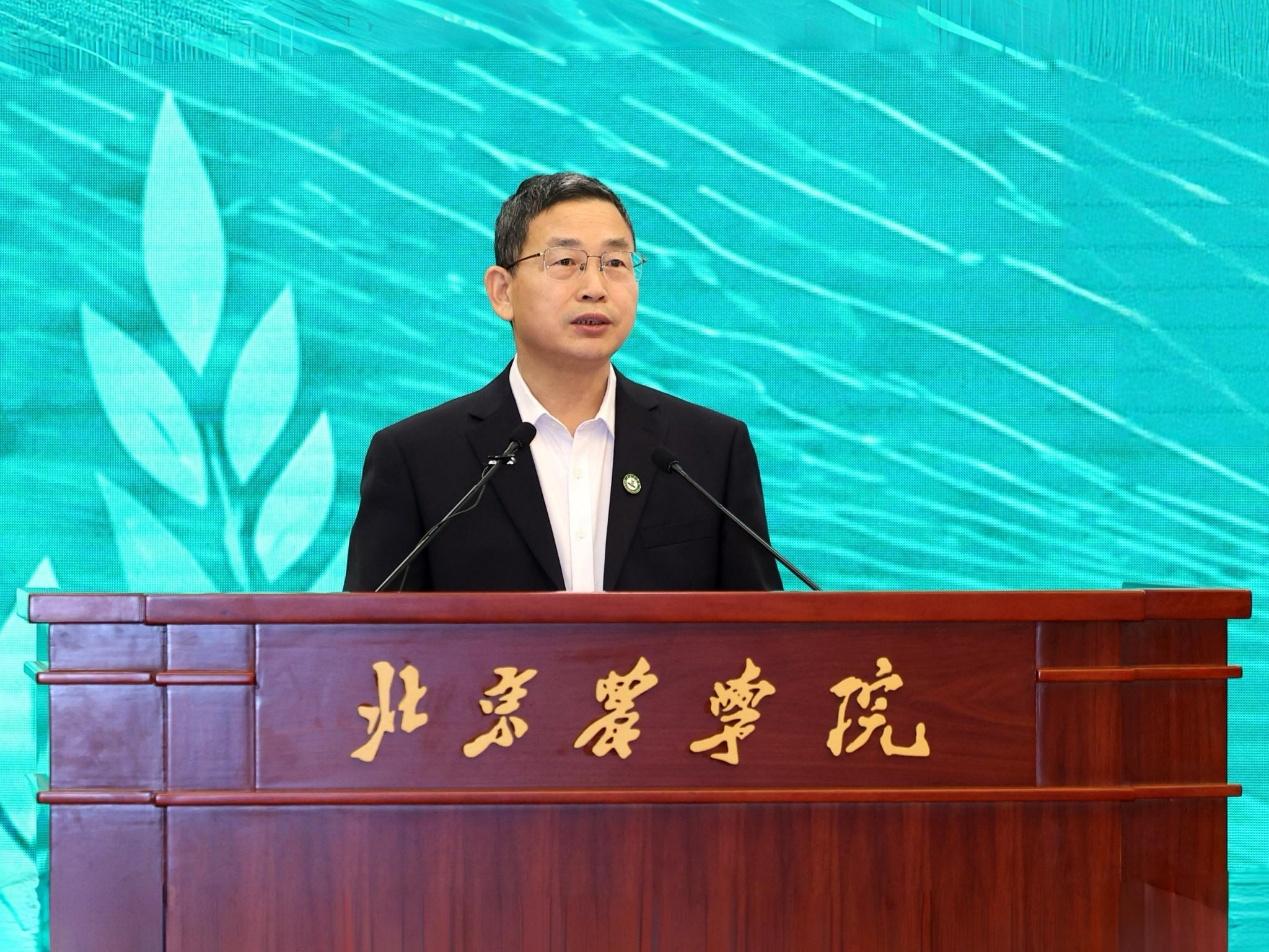
Duan Liusheng welcomed the participating leaders and experts and expressed his sincere appreciation to the member universities of the two alliances for their longstanding support. He said he hoped the meeting would provide an opportunity for participants to focus on national priorities, including agricultural science and technology innovation, comprehensive rural revitalization, and agricultural and rural modernization. Through discussions on educational resource sharing, coordinated talent development, and collaborative research, participants could share experience, learn from one another, build consensus, and work together to advance the development of new agricultural sciences, thereby driving innovation in urban agriculture and improving the quality and effectiveness of regional collaboration in agricultural education.
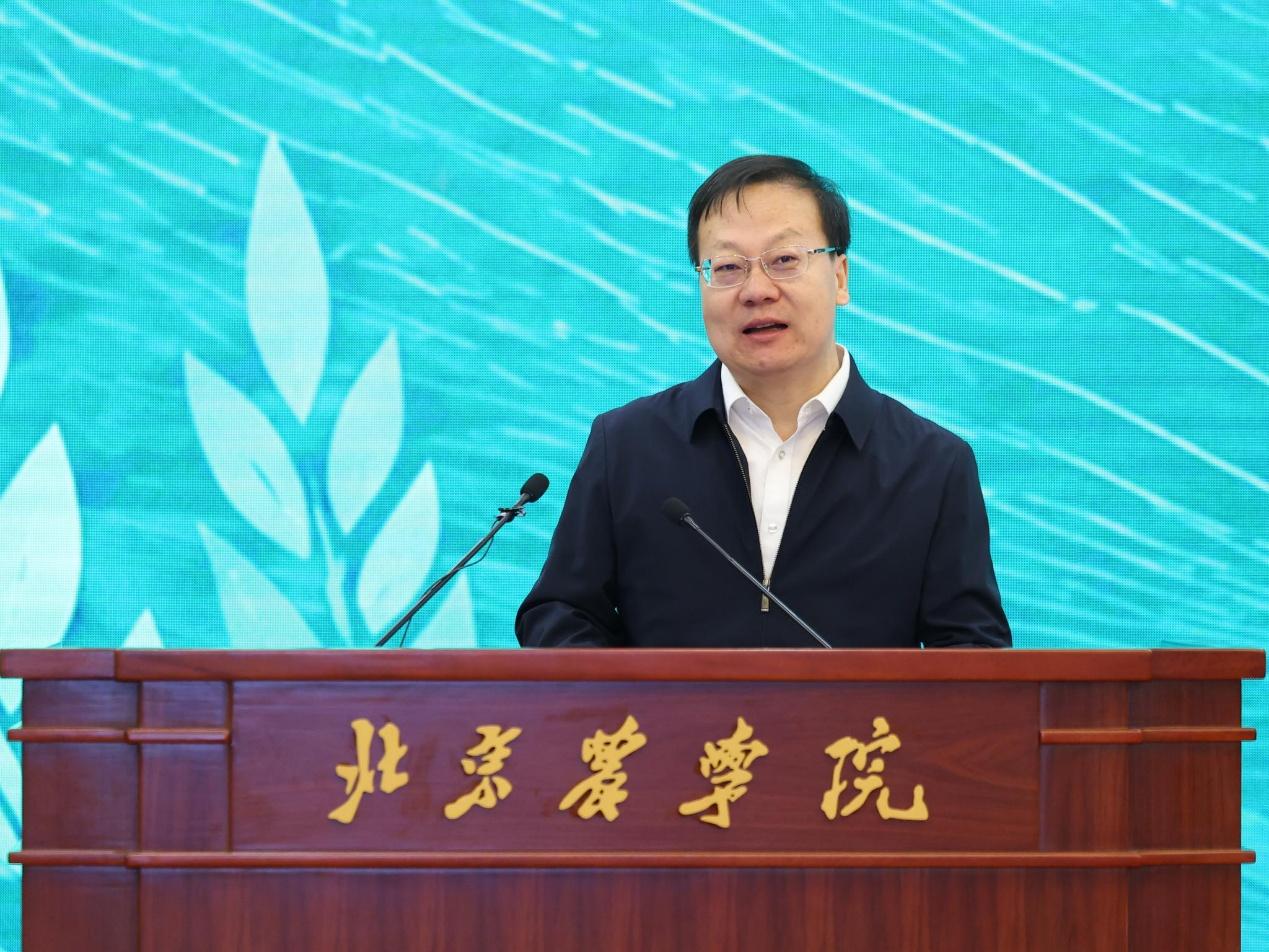
Liu Yongbin, deputy secretary of the CPC Committee and president of Inner Mongolia Agricultural University, noted that the meeting, which focused on major issues such as the development of new agricultural sciences, provided an important platform for alliance members to deepen cooperation and pursue shared development. He called for efforts to fulfill the fundamental task of fostering virtue through education and jointly educate a new generation of professionals who understand and are committed to agriculture; align with the 15th Five-Year Plan and strengthen distinctive disciplinary strengths; and improve resource-sharing mechanisms to ensure that collaborative projects are effectively implemented and produce tangible results.
Zhao Chunjiang, academician of the Chinese Academy of Engineering, delivered a special presentation titled Artificial Intelligence and the Development of Smart Agriculture. He discussed the rapid development of artificial intelligence, China's national strategy for agricultural AI, current research and applications of AI in agriculture, and future prospects.
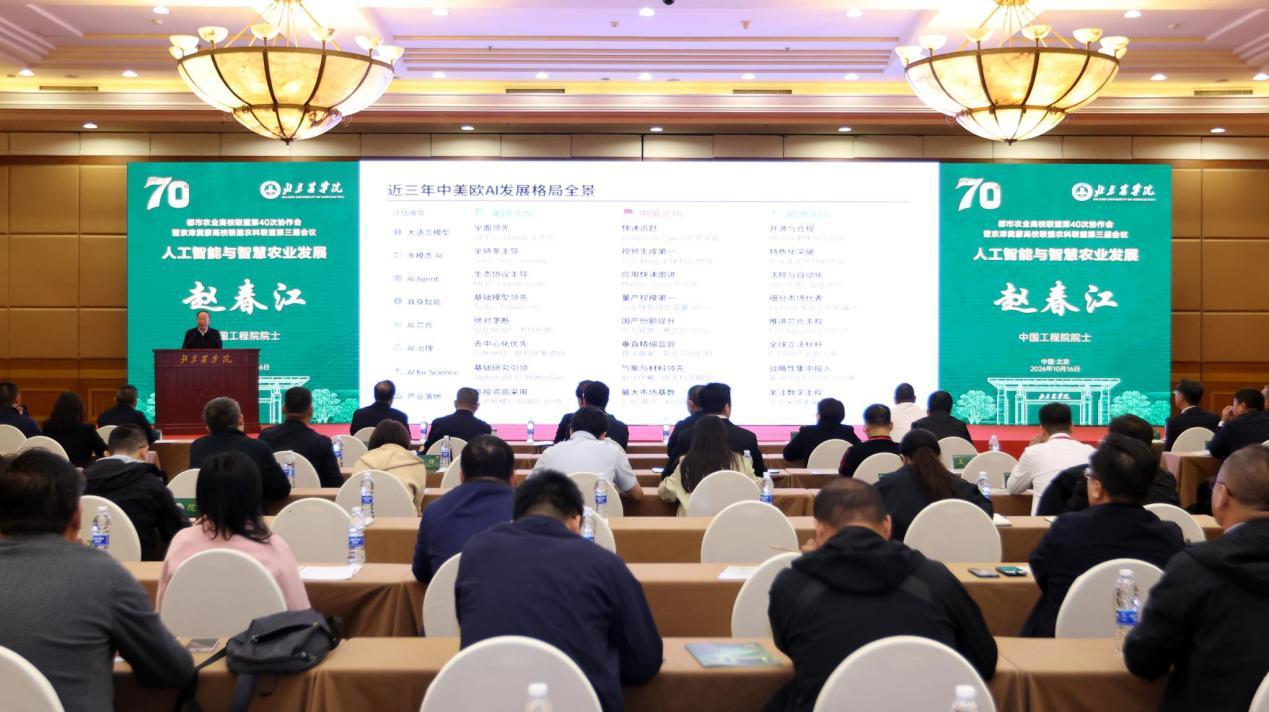
Zuo Hejun, member of the CPC Committee and vice president of Inner Mongolia Agricultural University; Deng Xiangzheng, member of the CPC Standing Committee and vice president of Beijing Technology and Business University; Liu Rongchang, member of the CPC Standing Committee and vice president of Hebei Normal University of Science & Technology; Xia Tiyuan, member of the CPC Committee and vice president of Kunming University; Cao Zhijun, member of the CPC Standing Committee and vice president of BUA; Zhao Shupeng, director of the Office of Academic Affairs at Hebei Agricultural University; and Yin Shan, deputy dean of the School of Agriculture and Biology at Shanghai Jiao Tong University, shared their insights on topics including the development of new agricultural sciences, innovation in urban agriculture, and regional collaboration in agricultural education. Their presentations offered practical insights and ideas for advancing innovation in agricultural and related higher education.
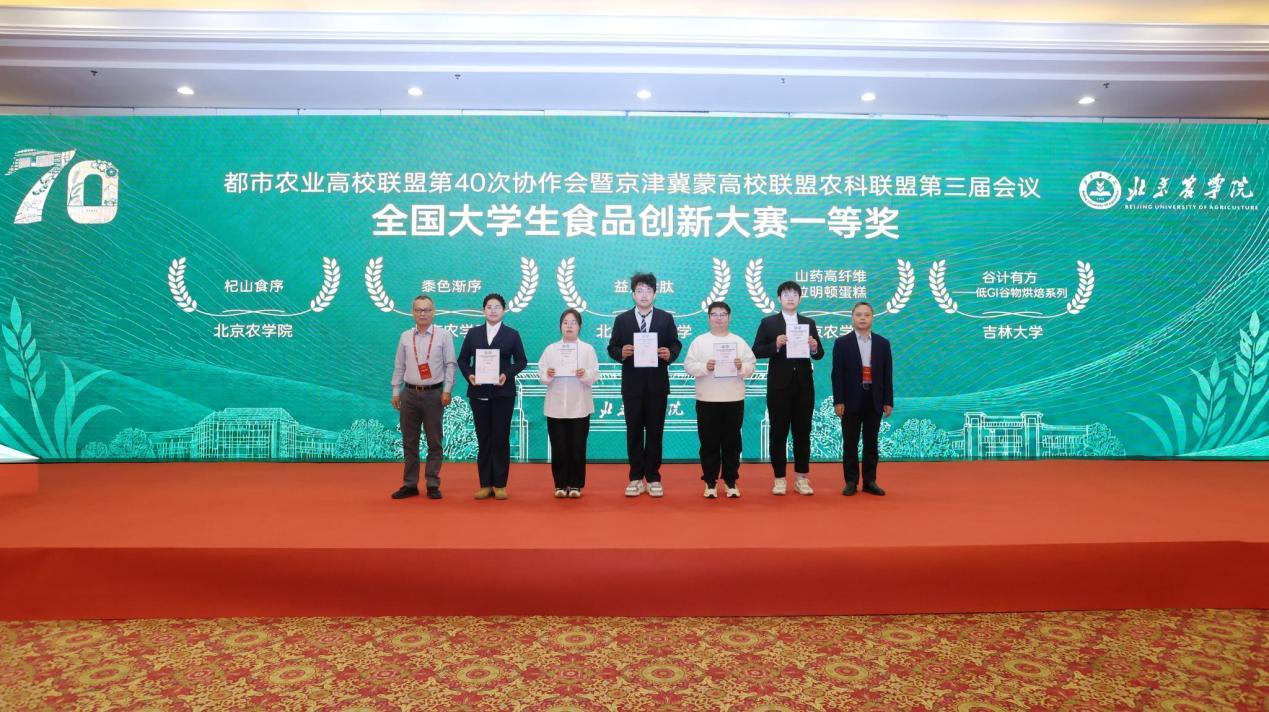
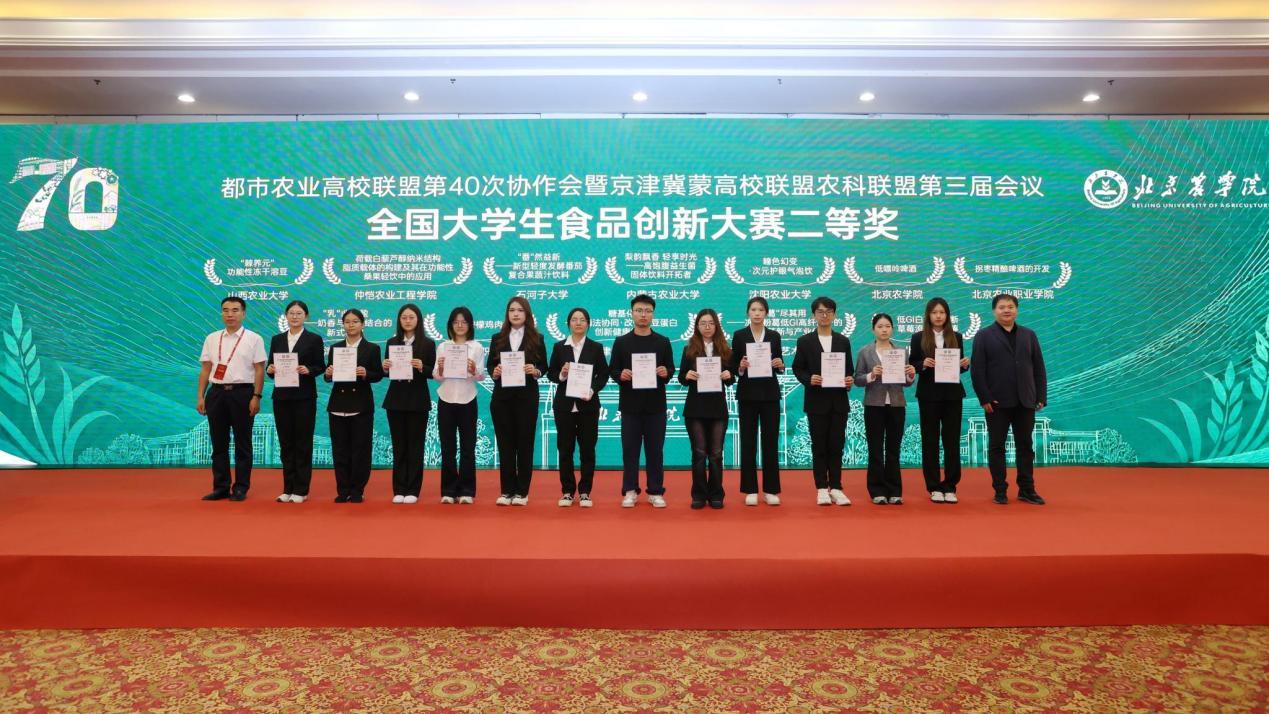
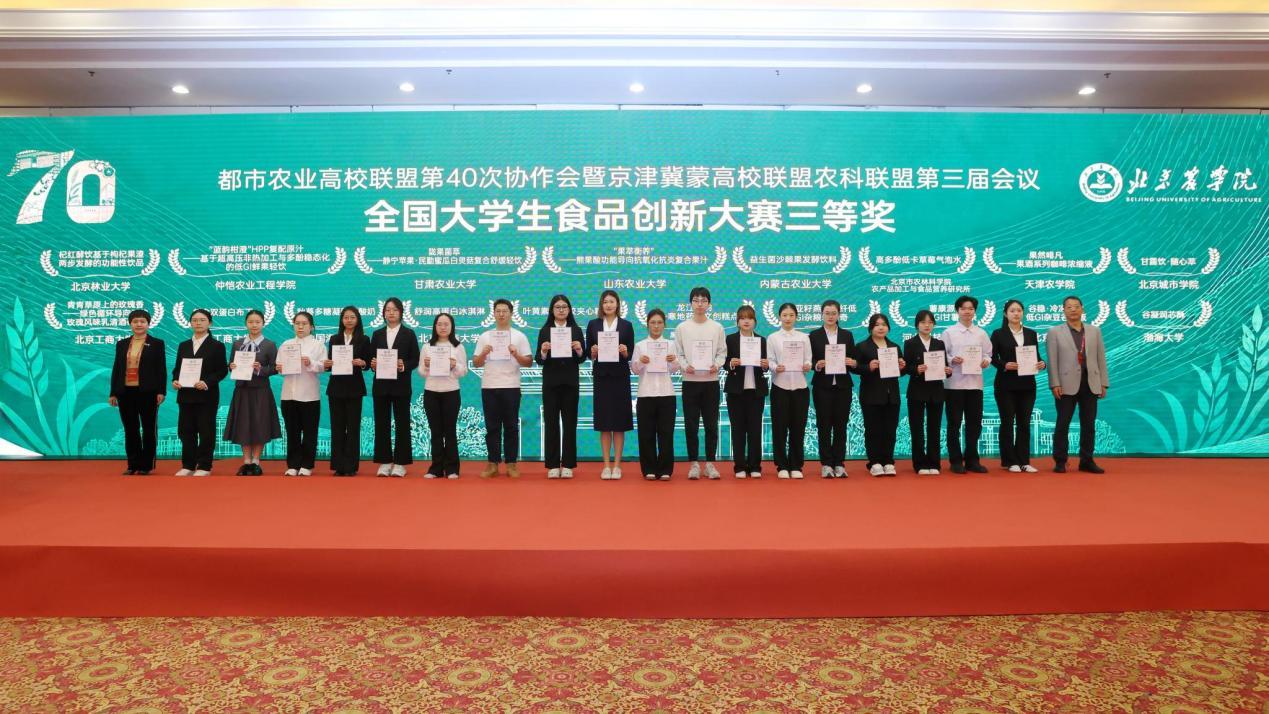
An award ceremony for the National College Students Food Innovation Competition was held at the meeting.

 search



 LATEST NEWS
