Forum on Practice and Prospect of Sino-Foreign Cooperative Education Empowering High-Quality Talent Cultivation was held at Beijing University of Agriculture (BUA) on the afternoon of October 16. Wu Yan, vice president of the university, attended the forum and delivered remarks.
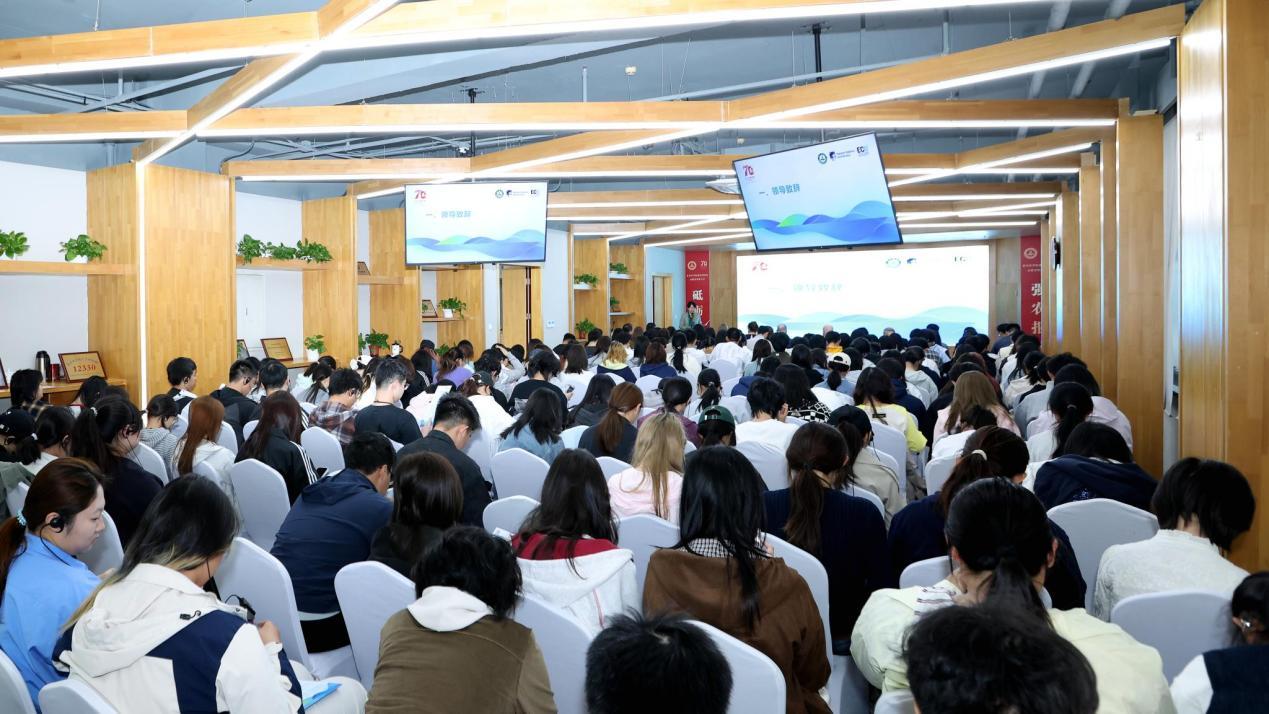
In her remarks, Wu reviewed the development of the College of International Education since its establishment in 2003. She noted that the college has developed a distinctive approach centered on bringing in high-quality resources, integrating Chinese and international educational approaches, and cultivating international talent. From signing a framework agreement on cooperative education with Harper Adams University (HAU) in the United Kingdom and welcoming its first cohort of students, to signing an agreement with Edith Cowan University (ECU) in Australia and launching the China-Australia cooperative program following its approval by the Ministry of Education, BUA has steadily expanded and refined its model of Sino-foreign cooperative education. To date, the China-UK and China-Australia programs have produced more than 1,600 graduates. More than 70% of them have gone on to pursue further study overseas, while approximately 90% of graduates from the past three years have been admitted to universities ranked among the world's top 100 in the QS rankings. Many have returned to China after completing their studies and gone on to contribute to economic development in China and Beijing, making significant contributions in their respective fields. Wu encouraged alumni to stay connected with their alma mater and return to visit whenever possible. She also encouraged current students to strengthen their skills and capabilities, embrace their responsibilities, and look ahead with confidence. She urged them to align their personal growth with the broader national efforts to advance agricultural modernization and comprehensive rural revitalization and to make the most of their university years.
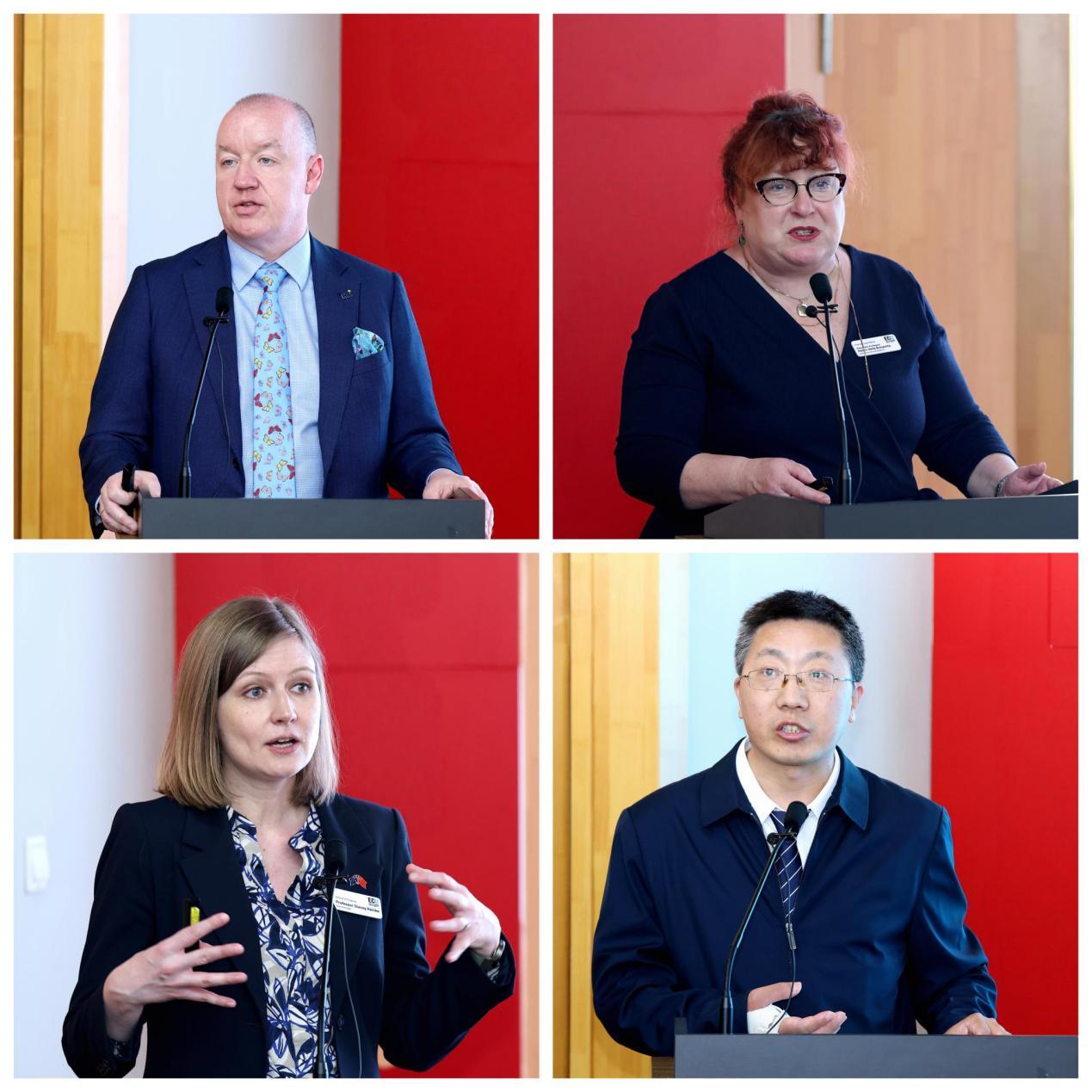
Ken Sloan, vice-chancellor of HAU, reviewed the BUA-HAU cooperative education program, which was launched in 2003 and follows a "3+1" model. He shared insights into the career paths of graduates ten years after graduation and reviewed the history of more than a decade of research collaboration between the two universities. Professors Helen Vella Bonavita and Stacey Reinke of ECU shared their experience of the BUA-ECU partnership. More than 400 students have successfully completed their studies at ECU. The university has established a comprehensive support system covering the entire student journey, from pre-departure preparation through enrollment and beyond, providing support throughout students' academic and personal development. Liu Tiejun, secretary of the CPC Committee and dean of the College of International Education, delivered a presentation titled Deepening Sino-Foreign Cooperative Education and Building a Global Hub for International Higher Education with Distinctive Strengths in Agriculture and Forestry. He outlined the college's educational model, characterized by distinctive dual tracks, integrated systems, a closed-loop quality assurance mechanism, and a student-centered approach. He also highlighted the college's efforts to improve the quality of talent development through innovative approaches that integrate its dual-track programs, together with four distinctive features: deep integration, alignment with international standards, rigorous management, and support for student development. The programs have undergone a special evaluation by the Ministry of Education and a quality assessment by the UK Quality Assurance Agency for Higher Education (QAA). In 2025, the China-UK cooperative education program received approval to expand its enrollment.
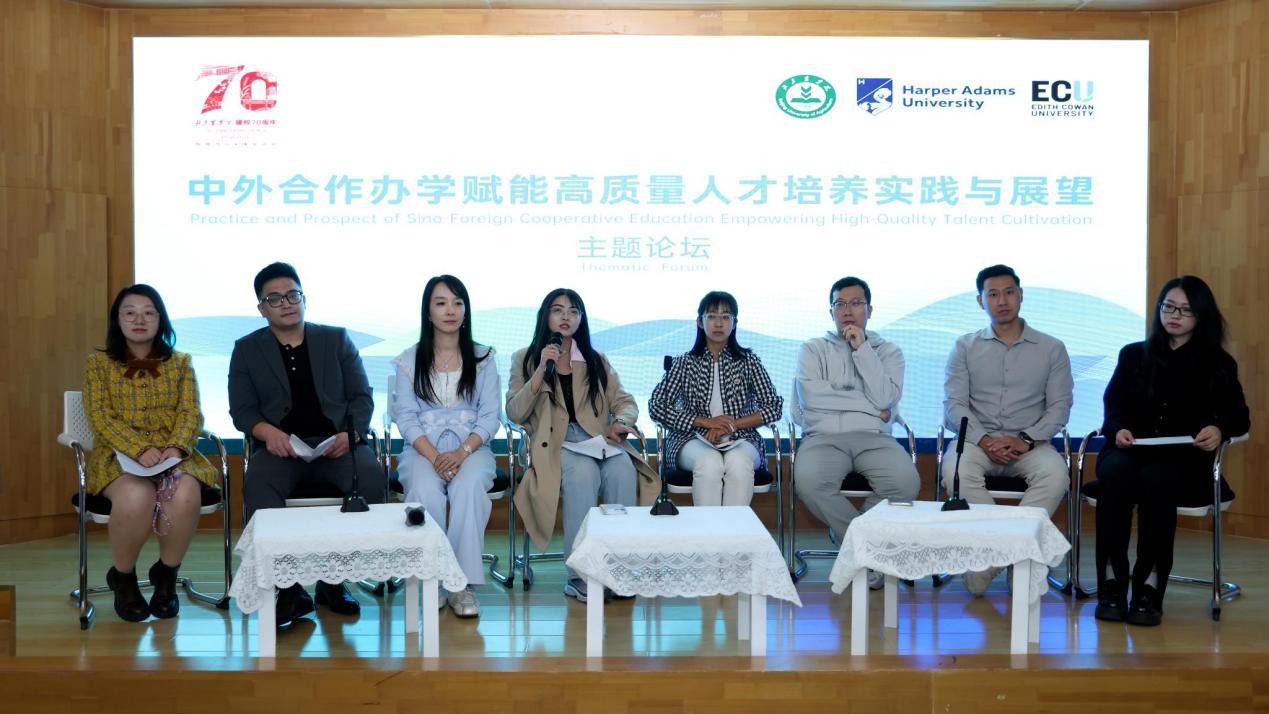
Faculty representatives shared their experiences in teaching innovation and talent development in Sino-foreign cooperative education. Their presentations covered the development of integrated Chinese and international curricula, student-centered teaching reform, and the use of practical learning and digital tools to support student development. The presentations reflected faculty members' ongoing efforts to advance teaching reform in Sino-foreign cooperative education.
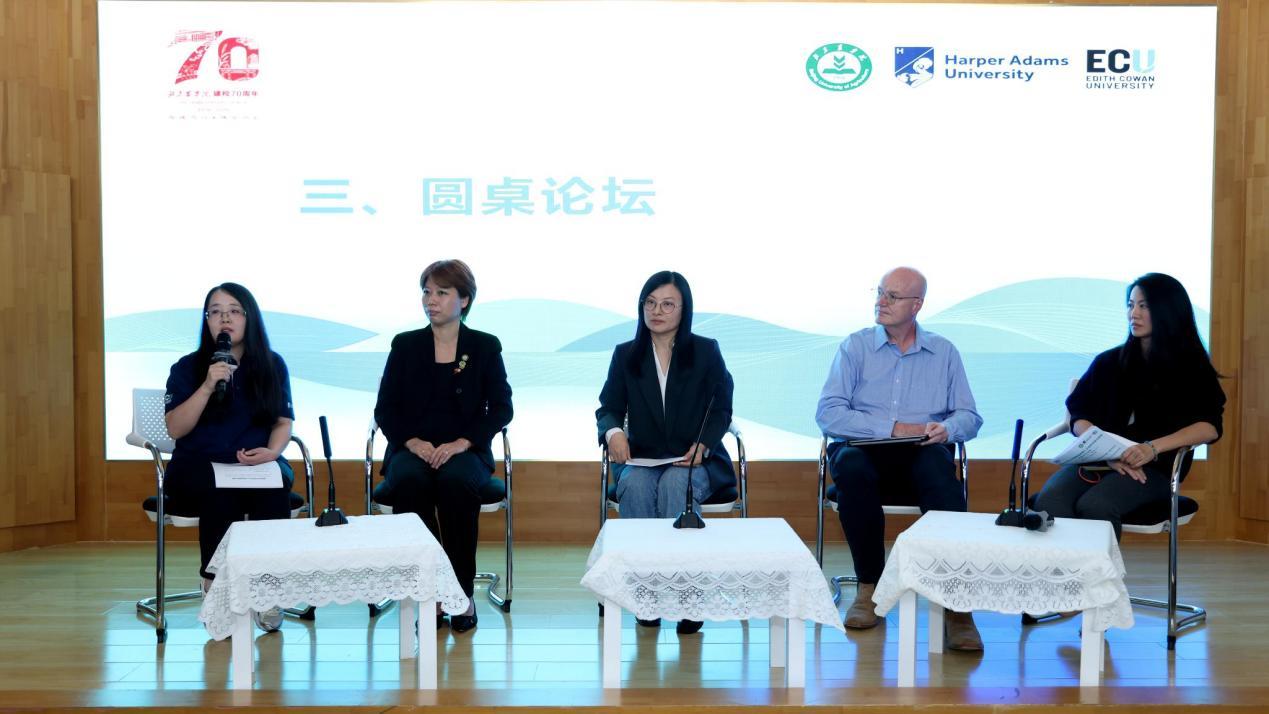
Under the theme From BUA to the World, alumni representatives shared their personal journeys. They recalled their experiences at BUA, discussed how the Sino-foreign cooperative education programs had shaped their personal and professional development, and shared how they had built expertise and advanced their careers in their respective fields. Their stories offered current students valuable perspectives on the many paths their education at BUA can open up around the world.
Retired faculty members Tan Feng and Zhang Zhiyong reflected on the College of International Education's development from its early years to the present. They encouraged faculty and students to value the achievements built through the college's years of hard work and urged current students to remain committed to their country while developing a global outlook. They encouraged students to grow into globally minded young professionals with a strong sense of national responsibility and an international perspective.
Faculty and staff of the College of International Education, retired faculty members, alumni representatives, and student representatives attended the forum.

 search



 LATEST NEWS
